What is the Ketogenic Diet?

Selection of good fat sources – healthy eating concept. Ketogenic diet concept, copy space

1. What is the ketogenic diet?

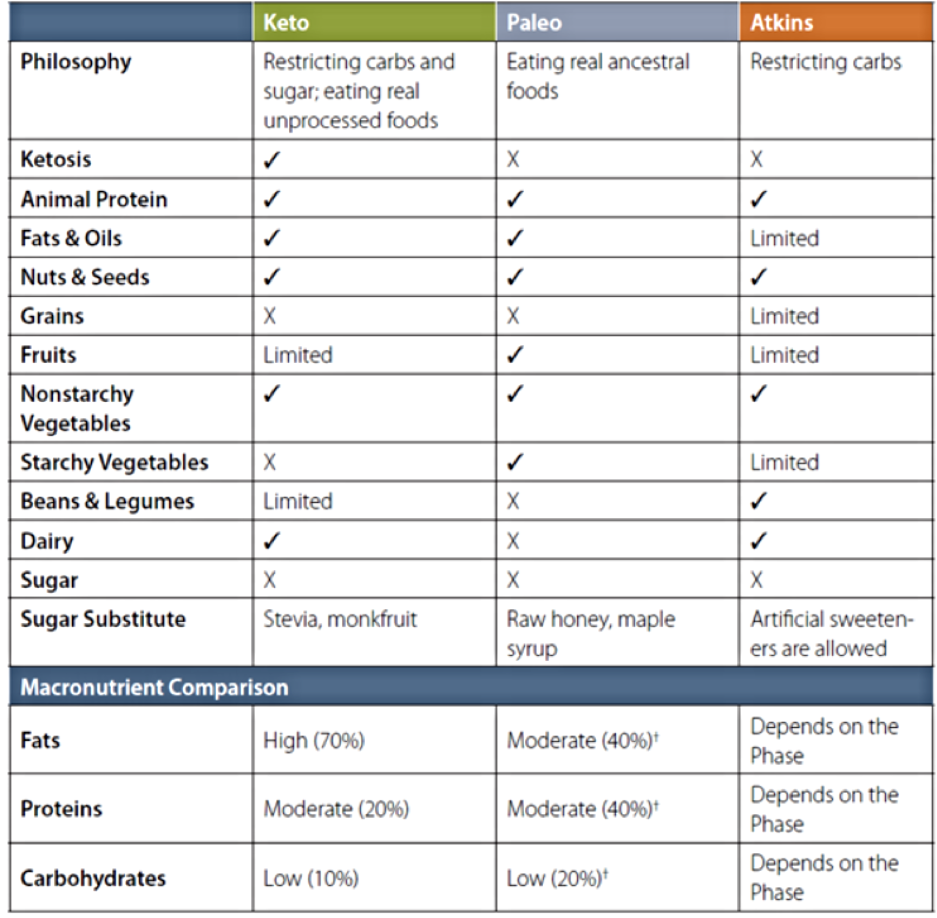
Low in carbohydrates with moderate protein and high in fat, a ketogenic diet prompts the body to burn fat for energy rather than glucose, which leads to the production of ketone bodies—molecules that can be used as a source of fuel. A typical ketogenic diet consists of ~70% fat, 20% protein, and 10% carbohydrates. Though this can vary slightly depending on the individual, this diet is specifically designed to induce nutritional ketosis.

2. What is ketosis?

When ketone bodies accumulate in the bloodstream (>0.5 mmol/L) due to low glucose availability, they cause a metabolic state called ketosis. The most efficient approach to induce nutritional ketosis is to lower dietary carbohydrate intake while increasing fat intake. This reduction in carbohydrate intake helps the body shift toward a state that promotes the breakdown of fats (from the diet and your body) to produce ketone bodies and enter ketosis.

3. How does the ketogenic diet differ from a paleo diet, Mediterranean, Atkins?

One diet does not fit all—the best diet is the one that you can stick with for long-term. As a lifestyle modification, it should be closely monitored and modified as needed.
4. What is intermittent fasting? How is this beneficial for someone on ketogenic diet?

Intermittent fasting (IF) limits the eating window to just a few hours a day. However, during this window, one simply eats to feel full. This practice allows the body to increase the amount of food intake at one time, and induce adaptive metabolic changes. There are many different variations of intermittent fasting, and many different reasons for doing so. Some people may experience mental clarity and focus as well as using intermittent fasting to get over a plateau.

5. What are ketones? How are they produced?

Ketone bodies production in the liver is a natural process when the body increases the use of fat as the main source of fuel. This occurs during a fasting state and/or prolonged exercise, or when dietary carbohydrates are very low. There are three endogenous ketone bodies. These are acetone, acetoacetate and beta-hydroxybutyrate (βHB).

When following a ketogenic diet, your brain, as well as other organs and tissues, depend on ketones as an energy source. Ketones can be measured in the blood, breath and urine, and measuring can be helpful when following a ketogenic diet or program to ensure that the desired level of ketosis is reached and maintained.

6. What is keto-adaptation? How long does it take to adapt?

Keto-adaptation is the process the body goes through during the ketogenic diet as it switches to using fat as an energy source rather than glucose. The length of time varies for individuals, but typically starts a few days after being on a ketogenic diet. Within a week to two weeks, many people report positive effects of keto-adaptation, and studies have shown that signs of keto-adaptation (such as increase in fat oxidation) occur within this time-frame.

7. What are exogenous ketones vs. endogenous ketones? Are there benefits to taking exogenous ketones?

Exogenous ketones are ketone bodies in either mineral or ester forms that can be ingested as a nutritional supplement, producing acute elevations in circulating ketone levels. Nutritional ketosis resulting from adherence to a ketogenic diet is often referred to as endogenous ketosis in contrast to peripheral ketosis induced by supplementation, referred to as exogenous ketosis.

8. Which patients or individuals would be excluded or not advised to follow a ketogenic diet?

While the ketogenic program can benefit a wide array of patients, it may not be suitable for patients with possible inborn metabolic disorders (CPTI or II deficiency; β-oxidation defects [LCAD, MCAD, SCAD]; and pyruvate carboxylase deficiency). Caution should also be used in patients with the following conditions:

  • Type 1 Diabetes (diabetic ketoacidosis (a mixture of high blood glucose with high KB levels) can result in acidosis)
  • Kidney disease (the ketogenic diet has not been studied in people with impaired kidney function)
  • Liver disease

9. Is it safe long term? How long should a patient be on the ketogenic diet?

Depending on the health goals, the practitioner may recommend a specific time period for the patient to be on the ketogenic diet. There are many people and cultures that go into ketosis and stay there for a long period of time without any negative effects.

10. Can someone just dabble in keto for a few days/weeks? Can they still get benefits?

While there is evidence to support the long-term use of ketogenic diets without serious side effects, there are also benefits to just doing a cyclical ketogenic diet. We encourage patients to stay on the ketogenic program for a period of 6-12 weeks as it takes some time for the body to be “keto-adapted” and for them to start seeing results.

11. During the keto-adaptation process, which noticeable changes are expected and what is the “keto flu”?

During the keto-adaptation process, many people may experience symptoms of the “keto flu”. These symptoms occur because the body, being used to utilizing carbohydrates as main source of energy, is going through a metabolic shift to burn fat instead. Some people describe this as a feeling of withdrawal. Symptoms one may experience include feeling drowsy, achy, nauseous, dizzy, and irritable. Some may even experience cramping, stomach pains, and muscle soreness.

12. How long do these symptoms last?

It varies for the individual, but the keto flu lasts typically a week or less for the average person and not everyone experiences the keto flu. However, below are some anecdotal ways to mitigate symptoms of the keto flu. Increase electrolyte intake, but avoid those electrolyte sports drinks with high sugar.

  • Drink more water
  • Eat more quality fat
  • Take an exogenous ketone supplement
  • Increase in exercise
  • Get plenty of sleep

13. How should a patient measure whether they have achieved ketosis?

Ketones can be measured in a variety of ways via a breath meter, urine strips, or a blood meter. The blood meter is the most accurate way to measure the levels of ketones (primarily βHB) in the body. However, this method is more invasive than others, and can also be significantly more expensive. Your healthcare practitioner can advise you on commercially available blood meters to test ketone levels by looking at circulating levels of βHB measured in millimolar (mmol/L) units.

14. What levels should be achieved (millimolars)?

While variable among individuals, βHB ranges >0.5mmol are considered the beginning of the range of nutritional ketosis and a range at which clinical benefits (for example to body weight management) have been described. Work is ongoing to understand the optimal range of circulating ketones for different outcomes.

What’s the difference between CBD oil and hemp oil?

A common question asked when looking to buy CBD oil products is, “What’s the difference between hemp oil and CBD oil?”

Hemp Oil

Hemp Oil is a full-spectrum oil from the Cannabis sativa plant or hemp seed oil, (oil from the seeds of the hemp plant).

Hemp Oil (Full Spectrum) is when the pure oil extracted from hemp contains all the same phytocannibinoids and compounds found in the original hemp plant.

The most abundant phytocannabinoid found in hemp oil is cannabidiol (CBD), a non-psychoactive compound. CBD makes up over 90% of the phytocannabinoid content in full-spectrum Hemp oil.

Health benefits of full-spectrum hemp oil – Phytocannabinoids and other natural constituents found in full-spectrum hemp oil work together as the “entourage effect,” to magnify their therapeutic properties. The complex mix of phytocannabinoids, essential nutrients, protein, and healthy fats work synergistically to encourage homeostasis and balance in our health.

Hemp seed oil is the hemp equivalent to olive oil, coconut oil and grape seed oil. It’s good for cooking and salad dressing with no CBD. It’s not medicinal. The seeds of the cannabis plant do not produce any CBD.

How do you know if a product labelled hemp oil is just hemp seed oil? The product label will say “unrefined cold-pressed hemp seed oil”.

CBD Oil

CBD oil is extracted from the aerial flower parts, stalk and/or stems of the hemp plant.

It can be used to describe either a CBD isolate or a full spectrum hemp oil

CBD isolate: CBD is the sole active ingredient, all the other naturally occurring components have been removed.

Full spectrum hemp extract: CBD, other Phytocannabinoids and terpenes

*If broad-spectrum hemp extract is listed as an ingredient, it will indicate a full spectrum hemp oil formula*

Acupuncture for Bell’s Palsy

Bell’s palsy is a neurological disorder that manifests as a paralysis of the face. This disorder often affects only one side of the face.

Bell’s palsy is thought to be a result of damage to the facial nerve that controls the muscles on one side of the face, which then causes those muscles to droop.

The facial nerve damage that affects the facial muscles can also impact a person’s taste, saliva, or ability to cry. Bell’s palsy is most common in young adults, the elderly, diabetics, and pregnant women, but it can affect anyone.

This condition is often a shock, as it comes on overnight. The majority of patients wake with the facial muscles in paralysis. Most patients either have no symptoms beforehand, or they miss the warning signs, which are subtle and can include neck pain, pain behind the ear, or pain in the back of the head.

People with Bell’s Palsy can experience difficulty with multiple facial functions including closing their eyes, eating, smiling, and their speech can also become slurred. Often, people jump to the conclusion that a stroke has occurred, but thankfully, Bell’s Palsy is not the result of a stroke, and is also a temporary affliction. While the condition comes on suddenly, it usually passes or gets better on its own within time.

Because the facial nerve has so many functions, damage to the nerve or a disruption in its function can lead to many symptoms, which vary from person to person and range in severity from mild weakness to total paralysis.

They may include twitching, weakness, or paralysis on one or both sides of the face, drooping of the eyelid and corner of the mouth, drooling, dryness of the eye or mouth, impairment of taste, and excessive tearing in one eye.

Other symptoms may include pain or discomfort around the jaw and behind the ear, ringing in one or both ears, headache, loss of taste, hypersensitivity to sound on the affected side, impaired speech, dizziness, and difficulty eating or drinking.

What Causes Bell’s Palsy?

Most scientists believe that a viral infection such as viral meningitis or the common cold sore virus – herpes simplex – causes the disorder. They believe that the facial nerve swells and becomes inflamed in reaction to the infection, causing pressure within the Fallopian canal and leading to an infarction (the death of nerve cells due to insufficient blood and oxygen supply).

In some mild cases, there is damage only to the myelin sheath of the nerve, or the fatty covering-which acts as an insulator-on nerve fibers in the brain.

The disorder has also been associated with influenza or a flu-like illness, headaches, chronic middle ear infection, high blood pressure, diabetes, sarcoidosis, tumours, Lyme disease, and trauma such as skull fracture or facial injury.

Western Medicine’s Approach to Bell’s Palsy

There is no cure or standard course of treatment for Bell’s palsy. The most important factor in treatment is to eliminate the source of the nerve damage.

The condition affects each individual differently. Some cases are mild and symptoms usually subside on their own within 2 weeks. For others, treatment may include pharmaceutical medications and other therapeutic options.

Steroids are often used as a treatment for Bell’s palsy. An antiviral drug such as acyclovir combined with an anti-inflammatory drug such as the steroid prednisone may be prescribed in order to reduce damage to the nerve.

Analgesics may be given relieve pain.

Treating Bell’s Palsy with Chinese Medicine

In China, acupuncture has been used for thousands of years to assist in Bell’s Palsy recovery. Many studies have been done in China which shows that acupuncture is extremely effective in treating Bell’s palsy when it is used promptly.

Complete recovery can take place in one or two weeks. Consistent acupuncture treatments (usually recommended once or twice per week), can help soothe a patient, expedite the paralysis from dissipating, and enhance nerve function. Some people recover spontaneously, although this can take from a few weeks to a year.

From a Chinese Medicine perspective, acupuncture is seen as the main treatment for Bell’s Palsy. Using acupuncture points on the affected side of the face, neck, and head as well as other parts of the body allows the Qi to be spread through the meridians to decrease the healing time and prevent any residual dysfunction of facial muscles. Herbal formulas specifically designed for this condition can also be prescribed to effect healing from the inside out.

These herbal remedies may be used not only to offer a therapeutic effect but to promote effective functioning of the nervous system and prevent stress (which is thought to exacerbate Bell’s palsy).

Massage can also help ease the symptoms of Bell’s palsy. Gently massaging the affected areas of the face or practicing daily facial exercises can help the condition.

Additionally, a full body massage on areas that are unaffected by the condition can help. Stress can worsen the condition, and is often thought to be a precipitating factor that may bring on an episode, so receiving a relaxing, full body massage can help soothe a patient and lead to a quicker recovery.

Some patients with Bell’s palsy may want to take several weeks of recovery time in which they may choose to stay at home and take some time off from their normally rigorous daily routines.

At our clinic we offer several options ranging from

  • herbal remedies
  • laser treatment
  • acupuncture
  • supplements

All of these treatment options are tailored to fit the patient’s individual constitution, needs, lifestyle, health history, current condition and more.

For more information please call Karen on 011 4330066.

Is your workout causing your acne?

Working out can cause excessive sweating, as well as a build-up of oil, dirt, and bacteria on your skin — all of which can lead to acne. However, you don’t have to quit exercising in order to see clearer skin. The key is to maintain proper hygiene before, during, and after your workouts.

Do you suspect that your workout is causing (or worsening) your acne? You could be right.

If your workout is the culprit, you don’t have to stop exercising. You can continue to play sports, take your favourite exercise class, or hit the gym and still see clearer skin. Here’s what dermatologists recommend.

Before your workout

  1. Remove your makeup. No need to wash your face. An oil-free makeup remover towelette works fine.
  2. Put on clean workout clothes (washed since you last wore them). Dead skin cells, bacteria, and oils on unwashed clothes can clog your pores, leading to acne.
  3. Apply oil-free sunscreen before you head outside. If you’re going to exercise outdoors during the day, you can prevent breakouts by protecting your skin from the sun.

Yes, the sun can cause breakouts because it dries your skin. When this happens, your body produces more oil, which can clog pores and cause acne.

To get the protection you need, you’ll want to apply a sunscreen that offers:

  • SPF 30 or higher
  • Broad spectrum (protects you from UVA and UVB rays)
  • Water resistance
  • Oil-free formulation (Label may say “non-comedogenic” or “won’t clog pores”)

During your workout

  1. Use a clean towel to wipe off sweat. You want a towel that has been washed since you (or someone else) last used it.

When you remove sweat from your skin, gently pat it off. Rubbing your skin can cause acne to flare.

  1. Avoid sharing protective equipment like helmets and shoulder pads whenever possible. These can be full of acne-causing bacteria and oil, which may cause you to breakout.
  2. Wipe off shared equipment before you use it. Shared equipment can be full of acne-causing bacteria and oil. If you use the equipment and then wipe your forehead or other acne-prone skin, you can spread acne-causing bacteria and oil from the equipment to your skin

After your workout

  1. Consider showering immediately after your work out. This may rinse away bacteria that can cause acne.

When you wash your face and other skin with acne, you’ll want to use a cleanser that is:

  • Mild
  • Oil free (label may say “non-comedogenic” or “won’t clog pores” instead)

A mild, oil-free cleanser can remove bacteria that can lead to acne and prevent clogged pores without irritating your skin.

When washing skin with acne, be very gentle. Apply the cleanser with your fingertips and gently rinse it off with warm water. Rubbing, hot water, or anything else that irritates your skin can cause acne to flare.

If you aren’t able to shower, consider changing out of your workout clothes and wiping skin that tends to break out with pads that contain salicylic acid. This can prevent clogged pores.

If you have acne or acne-prone skin, following these recommendations from dermatologists can allow you to work out and see clearer skin. You’ll also want to continue treating your acne.

If you still have breakouts after trying these tips, your sports equipment or clothing might be to blame. Everything from football helmets to synthetic dance clothes can cause acne.

This Lab-grown patch could repair your heart after a heart attack

Patches could help repair damaged hearts.

Heart disease is the leading cause of death in the US for both men and women. According to the Centres for Disease Control and Prevention, 735, 00 Americans have a heart attack each year, and 610,000 die of heart disease.

Those who survive heart attacks remain at serious risk for heart failure. During a heart attack, the network of blood vessels that delivers blood to the heart, called the coronary arteries, experiences a blockage due to build-up of cholesterol and fatty deposits. Blood can’t flow through to the heart, which means it doesn’t get the oxygen and nutrients it needs, causing tissue to die.

Heart attack survivors are thus left with a heart that’s weaker, making everyday tasks like lifting objects or climbing stairs exhausting or even dangerous. Restoring damaged heart tissue has proved difficult if not impossible, but a research team from Imperial College London has a new tool they hope will be able to heal wounded hearts.

The team developed thumb-sized patches of heart tissue, about two by three centimetres in size and containing up to 50 million human stem cells. They programmed the stem cells to mature into working heart muscle, or cardiac progenitor cells. The patches are sewn onto the damaged area of the heart to help pump blood and release chemicals to stimulate repair and regeneration. The team presented its research at the British Cardiovascular Society (BCS) Conference in Manchester this week.

Using stem cells to treat weakened heart muscle isn’t a new concept. But many existing methods injected stem cells directly into damaged tissue, and without a ‘scaffold’ to hold them in place, the cells would clear out of the heart before achieving significant tissue repair.

The team tested the patches in rabbits, finding that four weeks after implanting a patch, the hearts’ left ventricles (the chamber that pumps blood to the body through the aorta) recovered without developing abnormal heart rhythms. They also found that blood vessels from recipient hearts grew into the patches and helped nourish them, a crucial step for integration. The patches started to beat spontaneously after just three days, and within one month started to mimic mature heart tissue.

The next step is to test the safety of the patches through clinical trials, then attempt to use them to repair human hearts.

“One day, we hope to add heart patches to the treatments that doctors can routinely offer people after a heart attack,” said Dr. Richard Jabbour, who carried out the research. “We could prescribe one of these patches alongside medicines for someone with heart failure, which you could take from a shelf and implant straight into a person.”

Professor Metin Avkiran, associate medical director at the British Heart Foundation, which funded the research, added “This is a prime example of world-leading research that has the potential to mend broken hearts and transform lives around the globe. If clinical trials can show the benefits of these heart patches in people after a heart attack, it would be a great leap forward for regenerative medicine.”

Broccoli sprouts offers hope for Schizophrenia

People suffering from schizophrenia may find help in a surprising place: broccoli sprouts. That’s because new research found that one of the compounds found in this highly nutritious food may help to reset the brain chemistry of those suffering from the disease.

Schizophrenia is a chronic and severe mental disorder that affects how a person thinks, feels and behaves. People with schizophrenia may seem like they have lost touch with reality. Symptoms usually begin between the ages of 16 and 30 but, in some cases, children under 16 may have schizophrenia.

Some of the most common symptoms include: hallucinations, delusions, unusual or dysfunctional ways of thinking, agitated body movements, reduced expression of emotions through facial expression or tone of voice, reduced feelings of pleasure in life, difficulty beginning and sustaining activities, and reduced speaking.

Johns Hopkins University conducted a series of studies, ultimately discovering that broccoli sprouts contain a powerful substance known as sulforaphane, which can reset brain chemistry imbalance linked to schizophrenia. Broccoli microgreens and full-size broccoli also contain this potent nutrient.

In the study, the researchers found that those suffering from schizophrenia may have imbalances in the brain linked to glutamate, which can be altered by administering sulforaphane from broccoli sprouts. The researchers hope that supplementing with broccoli sprout extract may eventually allow those people suffering from schizophrenia to reduce the antipsychotic medications needed to control the disease.

Top of Form

Bottom of Form

Glutamate is involved in sending messages between brain cells and is linked to schizophrenia as well as depression. Discovering that broccoli sprouts can alter glutamate levels offers hope for both people with schizophrenia as well as those suffering from depression. While more research is necessary to determine how much broccoli sprout extract may be needed to control the condition, the sprouts and microgreens are so delicious and easy to obtain that it is worth adding them to your diet.

In addition to their potential brain health benefits, there are other great reasons to eat broccoli sprouts or broccoli microgreens: In a study published in the Journal of Agriculture and Food Chemistry researchers at the University of Maryland found that microgreens contained up to forty times as many nutrients as their full-grown vegetable counterparts.

The study found that microgreen leaves can contain up to 40 times more nutrients like vitamin C, carotenoids (beta carotene, lutein and zeaxanthin), and vitamin E, than their mature counterparts.

Broccoli sprouts and microgreens, like their full-grown counterparts are also high in vitamin K, which is an antioxidant that helps to destroy harmful free radicals linked to aging or disease. It is also critical to building strong bones and is also involved in healthy blood clotting because it is required to make blood-clotting factors in your body.

If you bleed excessively, you may be deficient in vitamin K. The nutrient is also involved in preventing heart disease—insufficient vitamin K may cause the blood vessels to become hard and narrowed with deposits. Vitamin K also has anticancer properties, making it useful in the prevention or treatment of the disease.

Another way broccoli sprouts or microgreens may exert their beneficial effect on schizophrenia may be through the gut. Research shows that the health of your gut is significantly influenced by what you eat.

A study assessed 15096 faecal samples provided by 11336 people, published in the journal of the American Society for Microbiology, found some exciting facts about gut health and the microbiome, which is the total of all the microbes in a living being.

We each have a microbiome and no two microbiomes are alike, although there can be some similarities between them. The microbiome is a sort of microbial fingerprint. And, thanks to the new research, we have greater insight into the effect of diet on our microbiome and how it may impact brain diseases like schizophrenia.

The research found that the gut bacteria of people suffering from mental health issues like schizophrenia were more similar to others suffering from mental disorders than to those who do not suffer from mental disorders. While the scientists conducting the study did not draw any conclusions, there may be a possible connection between gut health and mental health. Certainly, other research suggests that is indeed the case.

As an added bonus, eating more broccoli sprouts or microgreens will likely boost your eye health, too. That’s because broccoli sprouts and microgreens are rich in a wide range of vision-protecting nutrients, including: alpha-carotene, beta-carotene, lutein, rutin and zeaxanthin.

Dietary Epigenetics

While we may be familiar with the dangers of eating too much sugar, the actual effects of this indulgence may be far more frightening than previously imagined. Certainly, science supports the idea that excess sugar consumption leads to weight gain, increases our chances of diabetes and heart disease, and portends worse health outcomes. But now, new data shows that sugar can harm us in a place we didn’t expect, by actually attacking our DNA.

To properly explain this fascinating research, let’s quickly review some biology basics. The human body is made up of roughly 37 trillion cells, our structural building blocks. The “brain” of the cell is called the nucleus, and the nucleus contains our DNA. For years, we’ve assumed that DNA was a product of our heritage, handed down from mother and father, a rigid pre-determinant of everything from our height to our mathematical skills. However, the revolutionary new field of epigenetics has led to the discovery that what we do actually changes the way our DNA is used, that the choices we make can forever transform our genetic code

This means that the way we interact with the world changes our DNA, not just the other way around. More intriguing, one of the major ways we can change our DNA is by diet. For example, a study published in 2008 showed that exposing mice brains to as little as 6 hours of high blood sugar led to epigenetic changes that increased risk of vascular damage. These changes lasted even after 6 days of normal blood glucose, representing long-term damage after just a short blast of sugar. The research on long-term effects from short exposures is at the core of epigenetics. It’s furthered by data from another 2008 study published in the journal Diabetes. 

In this work, researchers showed that short periods of high blood glucose led to worse long term vascular changes than did sustained high blood glucose (a scary thought for the carbohydrate binger). Again, the underlying mechanism seems to be modification of the cell’s DNA, leading to the extended duration of this effect.

But there’s more. The most frightening data on this subject shows that high blood glucose may damage our telomeres; the ends of our DNA code. Considering that an undamaged telomere may be protective against cancer, death, and the very act of aging, any process that harms telomeres could put us at substantial risk. Data from the Journal of Nutrition, Health and Aging found that the higher the blood sugar, the more damage caused to the telomere and its associated DNA.

If we know that high levels of circulating glucose are trashing our DNA, it would make sense that diets low in glucose could have the opposite effect. Indeed, this is true. From the journal Science, the article “When Metabolism and Epigenetics Converge” relates the known neuroprotective benefits of a low carbohydrate diet to the epigenetic suppression of toxic oxidative stress. This benefit, which was also seen with calorie restrictive diets, seems to indicate that choosing meals lower in carbohydrates and lower in calories improves our brain cells’ ability to fight off damage, leading to healthier brains.

Reflect for a moment on our current dietary recommendations The US dietary guidelines recommend we get 65% of our daily calories from carbohydrates sources. Beyond the fact that most carbohydrate rich meals are converted into sugar as soon as they’re digested, Americans will average around 13-14% of calories a day from pure added sugar. It would seem we’re advocating for a dietary plan destined to harm our DNA. The good news is that the field of epigenetic has also identified substances capable of undoing DNA damage. Enter the epigenetic diet.

Essentially, the idea of epigenetic diet is to maximize the health of your DNA. This diet emphasizes compounds like the sulforaphane (found in broccoli), curcumin (found in turmeric), epigallocatechin gallate (found in green tea) and resveratrol (found in wine), and is designed to slow or potentially reverse damage to our DNA. The epigenetic activity of these chemicals may both prevent cancer formation and lead to decreased fat cells, as well as generally lower inflammation.3 In contrast to the negative effects of blood sugar on the brain, these chemicals may  actually lower risk of Parkinson’s Disease and cognitive decline, as well as slow the progression of Alzheimer’s disease. While it’s too soon to tell if the benefits of these compounds can ameliorate the toxic effects of high sugar, initial research is impressive.

Moving forward, the field of epigenetics is poised to explode. The more we learn about our genetic makeup, the more we can learn how our environment affects it. It’s rather scary and amazing that the choices we make in life change our DNA, but the power this connotes can also lead to empowerment. Realize that when you eat a food, you are triggering a ripple effect that penetrates all the way to your genetic code. Your silverware can quite literally be a gene-editing tool, for better or worse.

To supplement or not to supplement

Ideally, you would get all of the vitamins, minerals and other nutrients you need from your diet — in the form of fresh, whole foods. Unfortunately, most of the time this isn’t practical or possible. The controversy surrounding the question of whether or not your need to take supplements isn’t new, but the idea that you can get all of the nutrients you need from your diet is seriously flawed.
Today’s food supply is not providing you with the same nutrient as it did for past generations. Most food contains synthetic fertilizers that decrease nutrient density, along with toxic agricultural chemicals and other toxic ingredients. If you do not eat a diet solely made up of unprocessed, organically-raised foods — and it’s probably safe to assume that most people do not — there’s a highly likely chance you’re suffering from some type of nutritional deficiency.
A recent report from the CDC revealed that nearly 90% of people surveyed did not eat adequate amounts of fruits and vegetables to support optimal health — which means each of them could benefit from a supplement.
So, if you’re still wondering if you need to take supplements for optimal health, the answer is yes. The 10 most common nutrient deficiencies include vitamin D, omega-3s, magnesium, iodine, zinc, vitamin B12, vitamin E, vitamin K2, selenium and vitamin A. Each and every one of these nutrients plays an important role in your health and well-being. If you have a deficiency, it’s sure to cause symptoms in one way or another.

Nutrient deficiency symptoms may include

  • Vitamin D — Achy or broken bones, low energy, frequent colds and flu
  • Omega-3 — Dry skin, brittle hair and nails, excessive thirst, difficulty sleeping, mood swings
  • Magnesium — Constipation, eye twitches, muscle spasms, headaches, high blood pressure, fatigue
  • Iodine — Dry mouth, dry skin, increased heart rate, shortness of breath, weight gain
  • Zinc — Pour wound healing, feeling lethargic, hair loss, weight loss
  • Vitamin B12 — Apathy, fatigue, mental fog, mood swings, muscle weakness, tingling in the extremities
  • Vitamin E — Disorientation and vision problems, muscle weakness
  • Vitamin K2 — Easy bruising, excessive bleeding from wounds, heavy menstrual periods
  • Selenium — Hypothyroidism symptoms including extreme fatigue and mental fog
  • Vitamin A — Dry skin, dry eyes, poor would healing, acne breakouts, throat and chest infections

When choosing a supplement please remember to buy a good quality product that is preferably a whole food extract and not synthetic.

Vaccinations

benefits-risks-vaccines


Vaccinations

  • A lot of emotion surrounds the decision to either have your child vaccinated or not, mostly because there isn’t much data about the long-term effects of vaccinating children.
  • It is important to note that Dr. Larson is neither an anti-vaccination or pro-vaccination proponent, it is just important that people know the facts when making an informed decision In the 1950s children between birth and the age of six received seven various vaccine doses.
  • In 2013, that number rose to 36, and this year, the total number increased to 48 doses to cover 40 different types of vaccines.
  • That equals a 400% increase in dosages in less little than seventy years.
  • The pharmaceutical companies that develop the vaccines have done a lot of research on the short-term effects of vaccinating kids, and they insist that the risk for their short-term health are very low.
  • What has been understudied is both the long-term effects of vaccinating children and what the combination of so many vaccines have on a child’s overall health and well being.
  • After nearly a century, the science is still very ambiguous
  • Last month a study was published in the Journal of Translational Science that took a look at the data related to the health of vaccinated versus non-vaccinated children.
  • The researchers set out to compare 600 children to measure two major objectives in youths ages six to eighteen.
  • 39% of the participants in the study were not vaccinated.
  • The first objective of the study was to quantify the incidence of acute and chronic conditions comparatively between vaccinated and non-vaccinated children ages six to eighteen.
  • The second objective was to study neural developmental diseases, specifically three main ones, autism spectrum disorder, attention deficit hyperactive disorder, and broader unclassified learning disorders and disabilities related to neurological degradation, to find if there was a difference between the kids who were vaccinated versus the kids who were not.
  • The results for objective one was that the risks for two acute diseases whopping cough and chicken pox were lesser in the vaccinated group versus the non-vaccinated group.
  •  But, for all the other acute conditions that they studied those children who received the vaccination had a higher incidence of acute illness or there was no significant difference.
  • One specific acute illness, which was significantly different, was that children who were vaccinated had an increased risk of developing pneumonia by as much as 420%, or an odds ratio of 5.2:1, versus children who were not vaccinated.
  • Other acute conditions that they studied showed that there was no statistically significant difference between those children who were vaccinated and those who were not, they both had about equal risk and incidence of getting acute conditions no matter which group they belonged to.
  • More shockingly, when they studied the chronic conditions of autism spectrum disorder and ADHD, the vaccinated group was at a 320% greater risk of developing these types of conditions.
  • When it came to other chronic neurological conditions like broad spectrum learning disabilities, the risk was as high as 420%, or an odds ratio of 5.2:1, if the child was vaccinated versus non-vaccinated.
  • When it came to chronic conditions, things such as allergic rhinitis, which included things like seasonal allergies and hay fever, those who received vaccinations had an odds ratio of 30:1, which means that they were as much as 2900% greater risk of developing allergies than their non-vaccinated cohorts.
  • So, according to the latest study done, the only benefit that the researchers could find between the vaccinated and non-vaccinated group was that the vaccinated children had a lower risk for chicken pox and whopping cough, on all other spectrums they were at great risk long-term chronic and acute conditions or there was no statistical significance of risk.
  • Just one study, it is a great insight into where further research should continue, not conclusive, it might suggest that before you have your child vaccinated, you do the research to ensure that it is a decision you are comfortable with and you know what types of risks you might be exposing your child to.
  • If you are considering whether or not to vaccinate your child, it is important to take it out of the realm of emotions and find the science that supports your ultimate decision, the April release of the Journal of Translational Science is an excellent place to start.

Heart Disease

Heart disease is the leading killer of men and women over the age of 50. Heart attacks are twice as deadly for women as they are for men.

2-heartdisease

Statistics (which need not apply to you) show that one in two women will eventually die of some kind of heart disease—either coronary artery disease causing a heart attack or a stroke and 1 in 4 men!

Disorders that are characterized by arteriosclerosis which increased risk for heart disease include:

  • diabetes
  • insulin resistance
  • high cholesterol
  • obesity
  • smoking
  • physical inactivity
  • hypertension
  • decreased thyroid hormone
  • poor diet
  • inflammation
  • a genetic tendency toward producing too much homocysteine

No matter where cardiovascular disease first shows up, it is present throughout the entire body and steps should be taken to prevent or treat it before it shows up in mid-life!
Most of the time, arteriosclerosis is not diagnosed until an individual has a heart attack or stroke.
If you have diabetes or high blood pressure, are significantly overweight, never exercise, follow a poor diet, or are a smoker, one can virtually guarantee that you already have arteriosclerosis!

Listen to Your Body

Men who are having a heart attack typically present with chest pain that begins under the breastbone and spreads to the jaw and the left arm. Heart attack may also just feel like indigestion. 50% of men typically have no symptoms.
Women with heart attacks may not have chest pain at all either. Instead, they may experience primarily jaw pain and indigestion.
More women than men with so-called normal coronary arteries also have heart attacks, angina, and myocardial ischemia. As a result, a normal angiogram (blood vessel study) in a woman with symptoms doesn’t necessarily mean that she doesn’t have heart disease.
What Causes This
Cardiovascular disease results, in part, from arteriosclerosis—an accumulation of oxidized fat in blood vessels that calcifies and eventually causes blood vessel and heart damage, especially if there is inflammation present in the body.
Arteriosclerosis underlies all coronary artery disease and is responsible for the majority of deaths in the Western world.
Hardening of the arteries is caused by damage to the endothelial lining of blood vessels from free radicals.
This, in turn, is caused by Glycaemic stress, Tran’s fats, Emotional stress, and Micronutrient deficiencies which cause inflammation.
The part emotional stress plays in this equation cannot be overemphasized.
Emotions such as depression, anxiety, panic, and grief have been shown to cause constriction in blood vessels, thereby impeding the free flow of blood.
And anything that causes constriction in your blood vessels makes your heart and your vessels work harder to do their job.

Treatment and prevention

Hormone replacement therapy
There is a large body of research that shows oestrogen has a beneficial effect on the heart and blood vessels. In using HRT however, women should be aware of the fact that it can increase the risk of blood clots and hence stroke as well as breast cancer.
Bio-identical hormone replacement is safer than synthetic hormones.
There are many nutraceutical and herbal combinations available that also help to balance and increase oestrogen more safely.

Testosterone therapy
Recent studies indicate that Testosterone replacement in men reduce their risks of major adverse cardiovascular events — including strokes, heart attacks, and death.
Insulin resistance:
An enormous amount of data exists on the link between nutrition and heart disease, particularly with regard to the ill effects of excess insulin and the benefits of antioxidants.
Lifestyle:
Diets high in the consumption of trans-fatty acids (including hydrogenated oils) and refined carbohydrates, combined with inadequate exercise and protein, all set the stage for cellular inflammation, which creates a predisposition to hypertension, diabetes, and heart disease.
Eating five to six servings of fruits and vegetables per day has been shown to lower the risk of stroke by 31 percent.
The strongest effect comes from the cruciferous vegetables, such as broccoli, cauliflower, brussel sprouts, and cabbage, followed by green leafy vegetables and citrus fruit and juice.
One study showed that people who ate just five large carrots per week lowered their risk of stroke by 68 percent compared to those who ate only one carrot per week.

Depression:
New data now concludes that depression is an important independent risk factor for heart disease. Depressed men and women were shown to be twice as likely to develop coronary artery disease as were normal, non-depressed women.

Homocysteine:
Having elevated blood levels of the amino acid homocysteine (found in high amounts in animal protein) constitutes a strong risk factor for cardiovascular disease.
At least 10 percent of the population has a genetic tendency for elevated levels.
When high homocysteine levels are reduced, the incidence of heart attack is cut by 20 percent, the risk of blood-clot-related strokes decreases by 40 percent and the risk of venous blood clots elsewhere in the body plunges by an impressive 60 percent.
Studies have shown that dietary intake of vitamins B12, B6, and folate can help combat an elevated homocysteine level, as can cutting back on the amount of animal based protein in your diet.
Ask your health care provider to determine your homocysteine level. It should be between 7 – 9.
Fish oil
A diet containing fish oil has been found to reduce the incidence of heart disease in a number of studies. Research shows that 3 g per day of fish oil containing both EPA and DHA protects the heart because it makes platelets more slippery and decreases cellular inflammation.
Alternatively, you can eat three servings of cold-water fish per week, such as salmon, mackerel or sardines
If you are a vegetarian or do not care for these fish, take high-quality flax seed or EPA and DHA supplements derived from algae.
Magnesium
Using diuretics results in the loss of magnesium through the urine. Excessive use of the stomach acid inhibitors e.g. Nexium, also result in magnesium deficiency.

Calcium
Adequate calcium intake also helps keep blood pressure normal. This mineral works in tandem with magnesium, and therefore it’s important to make sure you get enough of both

Coenzyme Q10
CoQ10 acts to increase the supply of energy for cellular processes in general and thereby contributes to the improvement of overall health.
Some of the documented benefits include improved ability of the heart to pump effectively. It has also been shown to help reduce high blood pressure and congestive heart failure in those who already have heart disease.
Statin drugs lower Coenzyme Q10 levels.

Carotenoids
Dozens of studies show that individuals who consume high amounts of pigment-rich foods have less risk for heart disease.
Beta-carotene
Prevents the lipoprotein LDL (“bad” cholesterol) from becoming oxidized
Lycopene
Is another good antioxidant; eating tomatoes a couple of times a week will give you all the lycopene you need.
Vitamin E
Tocotrienols: These are part of the vitamin E family, but they are 40 to 60 times more powerful antioxidants than regular vitamin E.
Tocotrienols improve total cholesterol levels, oxidation of low-density lipoprotein (LDL, or “bad” cholesterol), and the clumping of red blood cells.
Free-radical damage (oxidative stress from poor diet, psychological stress, smoking, etc.) that accompanies LDL oxidation is particularly dangerous because it can cause serious injury to artery and vein walls.
Diet
Fresh fruits, dark green leafy vegetables, almonds, peanuts, and wheat germ also contain tocotrienols and the other types of vitamin E. Most multivitamins don’t have significant amounts, so if you want to supplement your diet, you have to take these supplements separately.
Selenium:
This antioxidant has been shown to decrease the risk of free-radical damage to blood vessel walls
Oligomeric Proanthocyanidins (OPCs)
Derived from grape seeds or pine bark, OPCs are in the class of foods known as the flavonoids. Cardiovascular disease risk is inversely proportional to flavonoid intake.
Alpha-Lipoic Acid
Vitamin C:
This powerful antioxidant helps protect the endothelial lining of your blood vessels and has also been found to aid the absorption of calcium and magnesium, two key minerals for heart health

Hawthorn
Herbalists have used Hawthorn berry extract for years as a tonic for heart related conditions.
Garlic
Tea
Both black and green tea consumption have been shown to have beneficial effects on the endothelial lining of blood vessels, which helps decrease the risk of stroke
Weight-bearing exercise
Can be very helpful for heart health because it lowers insulin resistance dramatically.
Stop smoking!
Gum disease
Is a risk factor for coronary artery disease and stroke. This association may be due, in part, to the fact that inflammation plays a central role both in gum disease and in hardening of the arteries.
It has also been shown that the inflammation seen in periodontal disease is associated with narrowing of the carotid arteries, a risk factor for stroke.
Periodontal disease is easily preventable (and often treatable) through proper brushing, flossing, and regular visits to the dentist for professional evaluation and cleaning.
Pets
If you don’t already have a pet, consider getting one. It’s well documented that the presence of a pet lowers blood pressure and is relaxing.
Genetic testing
This is done via a simple buccal swab and can show your risk for developing heart and blood vessel disease.
Inflammation
Your levels of inflammation can be checked by asking your physician to do a CRP test for you. This should be < 1