A Holistic Approach to the Holiday Season

Nurturing Wellness: A Holistic Approach to the Holiday Season with Mondeor Centre for Integrative Medicine 🌲🌟

As we immerse ourselves in the festive spirit, let’s take a moment to reflect on what truly matters—our health and well-being. This holiday season, make a conscious decision to prioritise the gift of health. Mondeor Centre for Integrative Medicine is your partner on this wellness journey, providing support, guidance, and a holistic approach to cultivate joy, gratitude, and flourishing health throughout December and beyond.

Mindful Choices for a Merry and Healthy December 

In the midst of holiday festivities, it’s essential to make mindful choices that contribute to your overall well-being. From nourishing meals that fuel your body to incorporating moments of mindfulness into your daily routine, let this December be a month of intentional and health-conscious decisions. Embrace the joy of the season without compromising on your commitment to a healthy lifestyle.

Active Celebrations: Moving Towards Well-being 

This season, redefine the meaning of celebrations by incorporating activities that promote movement and vitality. Whether it’s a refreshing outdoor walk, engaging in a fitness class, or exploring new wellness practices, make December a time to celebrate not just the holidays but also your health. Physical activity contributes not only to your fitness but also to your mental well-being, creating a harmonious balance during this joyous time.

Wellness at Mondeor: A Seasonal Gift to Yourself 

At Mondeor Centre for Integrative Medicine, we understand the significance of a holistic approach to health. Our dedicated team is here to support you in achieving your wellness goals during this festive season. From acupuncture to personalized therapy, we offer a range of services that cater to your individual needs. Take the opportunity to gift yourself the care and attention you deserve, ensuring a healthy start to the upcoming year.

Contact Us for a Healthier You! 📞

Ready to embark on a journey towards a healthier you? Contact us at 011 433 0066 or 064 640 2647 to book your appointment at Mondeor Centre for Integrative Medicine. Our experienced practitioners are here to guide you, providing personalized care that aligns with your health and wellness objectives. Start the new year feeling revitalised, balanced, and ready to embrace the opportunities ahead.

#HealthIsWealth #VacationWithWellness #AcupunctureTherapy #MondeorMagic

In the spirit of the season, let’s redefine the holiday narrative and make December a month of well-being and warmth. Embrace the gift of health, celebrate with intention, and embark on a journey towards a healthier and happier you. Happy holidays from Mondeor Centre for Integrative Medicine!


Acupuncture has been shown safe, effective, and natural, it has been used very effectively for thousands of years by literally billions of people worldwide for a variety of disorder. Acupuncture and Chinese Medicine may be an effective, non-invasive tool to improve one’s health and prevent illness, which powerfully heals and balances the body and restores it to a natural state of health and well-being.

Celebrating Unity in Wellness: Reconciliation Day at Mondeor Centre for Integrative Medicine

Quote

Celebrating Unity in Wellness: Reconciliation Day at Mondeor Centre for Integrative Medicine 

On this Reconciliation Day, Mondeor Centre extends warm wishes to our diverse community, embracing the healing power of unity and understanding. Today, we come together to celebrate the spirit of reconciliation that unites us all in a journey towards collective well-being.

Fostering Holistic Well-being for Our Community

At Mondeor, we believe in holistic well-being, not just for individuals, but for our community as a whole. Our commitment goes beyond physical health, encompassing the interconnectedness of body, mind, and spirit. As we celebrate the rich tapestry of diversity within our community, we recognise the inherent strength it brings to our shared journey towards health and wellness.

Appreciating the Beauty of Diversity

Diversity is not just a concept but a living reality that enriches our lives in countless ways. Today, let’s take a moment to appreciate the beauty of diversity that exists within our community. Each individual’s unique experiences, backgrounds, and perspectives contribute to the vibrant mosaic of Mondeor. It is in this diversity that we find resilience, strength, and a deep sense of interconnectedness.

Inspiring Compassion, Empathy, and a Shared Vision

Reconciliation Day serves as a powerful reminder of the importance of compassion and empathy in fostering a harmonious community. May this day inspire us to continue promoting these values, creating a shared vision for a healthier, happier future. By understanding and supporting one another, we build bridges towards a world where everyone can thrive in body, mind, and spirit.

A Commitment to Community Harmony

As we reflect on the significance of Reconciliation Day, Mondeor Centre reaffirms its commitment to promoting holistic health and community harmony. Our integrative approach emphasises the interconnected nature of well-being, addressing not only physical ailments but also nurturing the mental and spiritual aspects of each individual.

Happy Reconciliation Day from Mondeor Centre for Integrative Medicine!

Mondeor Centre for Integrative Medicine extends heartfelt wishes on this Reconciliation Day. May the spirit of unity, understanding, and community harmony continue to guide us on our collective journey towards well-being. Together, let’s create a world where diversity is celebrated, compassion is abundant, and everyone can flourish in body, mind, and spirit.

At Mondeor, Chiropractic Care involves hands-on spinal manipulation. This practice focuses on achieving proper alignment within the body's musculoskeletal structure, especially the spine. This alignment aims to facilitate the body's natural healing process without the need for surgery or medication. Chiropath is primarily employed as a non-invasive option for pain relief, addressing concerns related to muscles, joints, bones, and various connective tissues, including cartilage, ligaments, and tendons.

Unveiling the Power of Live Blood Analysis at Mondeor Centre for Integrative Medicine

Unveiling the Power of Live Blood Analysis at Mondeor Centre for Integrative Medicine

Exploring alternative testing involves the utilization of non-conventional modalities that play a supplementary role in identifying functional issues within the body. Two available types of alternative testing at our facility include Live Blood Analysis and Iridology. Live Blood Analysis entails examining a smear of blood under a Dark Field Microscope, providing insights into the appearance of blood cells, plasma, and other relevant factors. This analysis contributes additional information about functional concerns within the body and assesses body pH levels. On the other hand, Iridology involves using a magnifying iris lens to scrutinize the appearance and structure of the iris of the eye. The foundation of iridology research aligns with Meridian therapies and Chinese medicine, wherein the eye serves as a map of the body. By examining this map, analyses related to organ drainage and function can be derived, guiding the selection of remedies and treatment procedures.

In the pursuit of holistic well-being, more people seek alternative therapies for a deeper understanding of their body’s internal dynamics. At the forefront of innovative services from the Mondeor Centre for Integrative Medicine is Live Blood Analysis. Let’s explore this transformative diagnostic tool and see how it aligns with the center’s commitment to overall health and vitality.

Understanding Live Blood Analysis

Live Blood Analysis, also known as Live Blood Cell Analysis or Darkfield Microscopy, is a diagnostic technique that involves examining a single drop of a patient’s blood under a high-powered microscope. Unlike traditional blood tests, which involve processed samples, Live Blood Analysis provides a real-time view of the blood’s vitality and overall health. Mondeor Centre recognises the invaluable insights this technique offers into an individual’s well-being.

The Process at Mondeor Centre

At Mondeor Centre, Live Blood Analysis is conducted by our experienced and certified practitioners using cutting-edge microscopy technology. During the analysis, a small blood sample is taken from the patient’s fingertip and placed on a microscope slide. The live blood cells are then observed in their natural state, allowing practitioners to identify various factors such as the condition of red and white blood cells, platelets, and the presence of any anomalies.

Holistic Health Assessment

Live Blood Analysis is integral to the center’s commitment to a holistic approach to health. By examining the live blood cells, practitioners gain insights into the body’s internal environment, including nutritional imbalances, immune system function, and the presence of toxins. This information serves as a foundation for developing personalised health plans tailored to address specific concerns and optimise overall well-being.

Nutritional Guidance

One of the key advantages of Live Blood Analysis is its ability to identify nutritional deficiencies and imbalances. The live blood cells reveal information about the body’s ability to absorb and utilise nutrients. Armed with this knowledge, Mondeor Centre’s practitioners can provide targeted nutritional guidance, recommending dietary adjustments and supplements to support the body’s natural healing processes.

Early Detection of Imbalances

Live Blood Analysis is a powerful tool for early detection of imbalances and potential health issues. By assessing the quality and behaviour of blood cells, practitioners can identify signs of oxidative stress, inflammation, and other factors that may precede the onset of chronic conditions. This proactive approach aligns with the center’s philosophy of addressing health concerns at their root, promoting prevention rather than just symptom management.

Empowering Patients

Mondeor Centre believes in empowering individuals to take an active role in their health journey. Live Blood Analysis serves as an educational tool, allowing patients to visually understand the state of their blood and the impact of lifestyle choices on their well-being. This firsthand knowledge encourages a sense of responsibility for one’s health and motivates positive lifestyle changes.

Embarking on Live Blood Analysis at Mondeor Centre for Integrative Medicine is a groundbreaking move towards holistic health assessment. This innovative diagnostic tool provides valuable insights, enabling the center to create personalized care plans tailored to individual needs. From nutritional guidance to early imbalance detection, Live Blood Analysis seamlessly aligns with the center’s commitment to overall well-being. For those eager to deepen their health understanding and take a proactive wellness approach, Mondeor Centre for Integrative Medicine unlocks a realm of possibilities.


Using Shockwave Therapy to Treat Muscle and Joint Pain

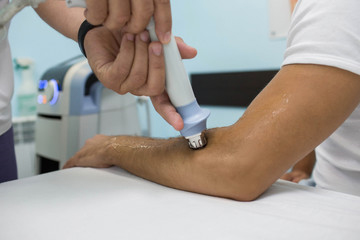
At MCIM we offer shockwave therapy which is effective in treating a wide range of musculoskeletal and orthopaedic conditions i.e. conditions that relate to bones, joints, ligaments, tendons and muscles that are essential to movement.

SWT creates a series of short, high-energy, pulsating acoustic (sound) waves that stimulate our bodies own natural healing response. The energy promotes regeneration and reparative processes of the bones, tendons and other soft tissues.

It is usually administered once a week for three to six weeks. The number of sessions depends on severity of the condition.

Conditions that respond well to SWT

treating elbo with shockwave therapy

Tendonitis – inflammation of tendons that connect muscle to bone. Tendonitis is often caused by repetitive movement, poor posture or arthritis. Common tendonitis conditions:

  • Achilles tendonitis – affects tendons between heel and calf muscle.
  • Elbow tendonitis – tennis of golfer’s elbow.
  • Patellar tendonitis – jumper’s knee.
  • Rotator cuff tendonitis – pitcher’s or swimmers shoulder.
  • Bicep tendonitis – inflammation of tendons between the bicep and shoulder.
  • Wrist tendonitis – bowler’s wrist.

Iliotibial Band Syndrome (ITBS) – inflammation of the thick outer tissue connected from the pelvis to the top of the shinbone. ITBS is often characterised by outer knee pain.

Bursitis – a condition that affects joints. Hips, shoulders, elbows, ankles knees etc. Caused by inflammation of the fluid sacs (bursae). Bursae act as cushions between bones, tendons and joins surrounding muscle.

Plantar Fasciitis – painful heel. Typically chronic heel pain after periods of inactivity or getting out of bed in the morning.

To know more about this treatment at MCIM or to book an appointment, please call Karen on 011 433 0066 / 011 027 1190

Reference:

https://www.parcofontario.com/

Acupuncture Treatment for Stroke

Stroke is a common cause of death. Strokes often leave patients with debilitated lives. Studies show acupuncture may be effective for stroke treatment. Increase quality of life. Reducing damage and improving recovery.

A stroke occurs when an artery to the brain gets blocked or bursts. As a result part of the brain does not get the blood it needs. This part of the brain starts to die.

This article is based on a report by The Association of Traditional Chinese Medicine. The report summarizes various studies on the benefit of acupuncture. Acupuncture as a treatment for stroke.
There are two main types of stroke. Stroke caused by blocked artery. Stroke caused by burst artery.

Multiple Factors Influence Stroke Effect

Effects of stroke vary from person to person. Factors such as type, severity, location of the brain and number play a part. There are three main parts to the brain. Cerebrum (left and right), Cerebellum and Brainstem. Where in the brain the stroke occurs will determine the effect.

Left Cerebrum

Stroke in the left Cerebrum affects the right side of the body. Left-side weakness or paralysis. Speech and language. Number/math, writing, reasoning, analytical and learning skills are impaired.

Right Cerebrum

Stroke in the right Cerebrum affects the left side of the body. Right-side weakness or paralysis. Perception of up, down, front or back (spacial orientation). Inability to draw, appreciate art or music. Lack of insight to emotions.

Cerebellum and Brainstem

Stroke in the Cerebellum affects motor skills. Muscle action, control, fine motor skills, movement and balance.

Stoke in the Brainstem affects ‘life-support’ functions. Breathing and heart beat, body temperature, vision, speaking and coma.

Acupuncture for Stroke Treatment – reduces damage and protects

Post stroke therapy aims to improve quality of life.

China has a long tradition of treating stroke with acupuncture. It is evident that acupuncture reduced damage, regenerates and protects. Acupuncture reduces the damage to the heart (myocardial injury). Acupuncture promotes neurological function recovery. This is the process of the brain ‘repairing’ itself to normal function. Generating new or ‘re-purposing’ brain cells to promote proper function (endogenous neurogenesis). Over and above, acupuncture played a protective role. Protecting neuron structure and function from further damage.

Treatment During Stroke Stages – the day after

Stroke can be seen to go through stages. Different acupuncture stimulation during stages has shown to be effective. Acupuncture one day after stroke reduced the area of damage to the brain. It increased the release of peptides and proteins. These support the growth, survival and differentiation of neurons (Neurotrophic factors). Both developing and mature. The effect of acupuncture activated processes that prevent cells from dying (anti-apoptosis process). Acupuncture one day after stroke has the effect of reducing damage. Also repairing and protecting brain function.

Treatment during the early stage stroke is critical for better recovery. Acupuncture administered during early stroke had the following benefits. Reduced blood pressure. Reduced the volume of hemorrhaged blood. Improved neurological damage.

Acupuncture and Cognitive Dysfunction

Stroke patients often develop cognitive dysfunction years after the stroke. These range from mild impairment to dementia. Acupuncture administered in conjunction with other medication showed a significant improvement. This was compared to results of non- acupuncture based treatments.

Reduce the Risk of Heart Attack

Stroke patients are at high risk of heart attack. This risk decreased significantly with patients who had acupuncture.

Acupuncture Stroke Treatment and Motor Function Recovery

Stimulating the acupoint GB34 helps motor function recovery. Stimulation increases neuron activity in motor-related brain regions.

Acupuncture is an effective post-stroke rehabilitation tool. Especially effective for mobility function and cognitive ability. Improvement here significantly improves quality of life.

Ataxia is a degenerative disease of the nervous system. Many symptoms of Ataxia mimic those of being drunk. Such as slurred speech, stumbling, falling, and in-coordination. These symptoms are caused by damage to the cerebellum. Cerebellum is the part of the brain that is responsible for coordinating movement. A patient with 2 year ataxia after stroke. Extreme difficulty walking and standing, requiring the support of two people. With specific acupuncture protocols, this patient walked unassisted after two months.

Recovery During the Subacute Stage

Subacute stage of stroke occurs between 1 – 6 months after stroke. Better recovery during this stage is critical to long term recovery. Acupuncture is more effective than traditional therapy in improving functional activities. This was against a base line test of non-acupuncture therapy.

Prevention is better than cure. Acupuncture is well known for encouraging and maintaining a healthy lifestyle. This in itself reduces the risk of stroke.

At MCIM, we use a wide range of complementary medicines. For an appointment or more information please call Karen on 011 433 0066 or 011 027 1190.

References:

Berberine and its Anti-Viral Activities

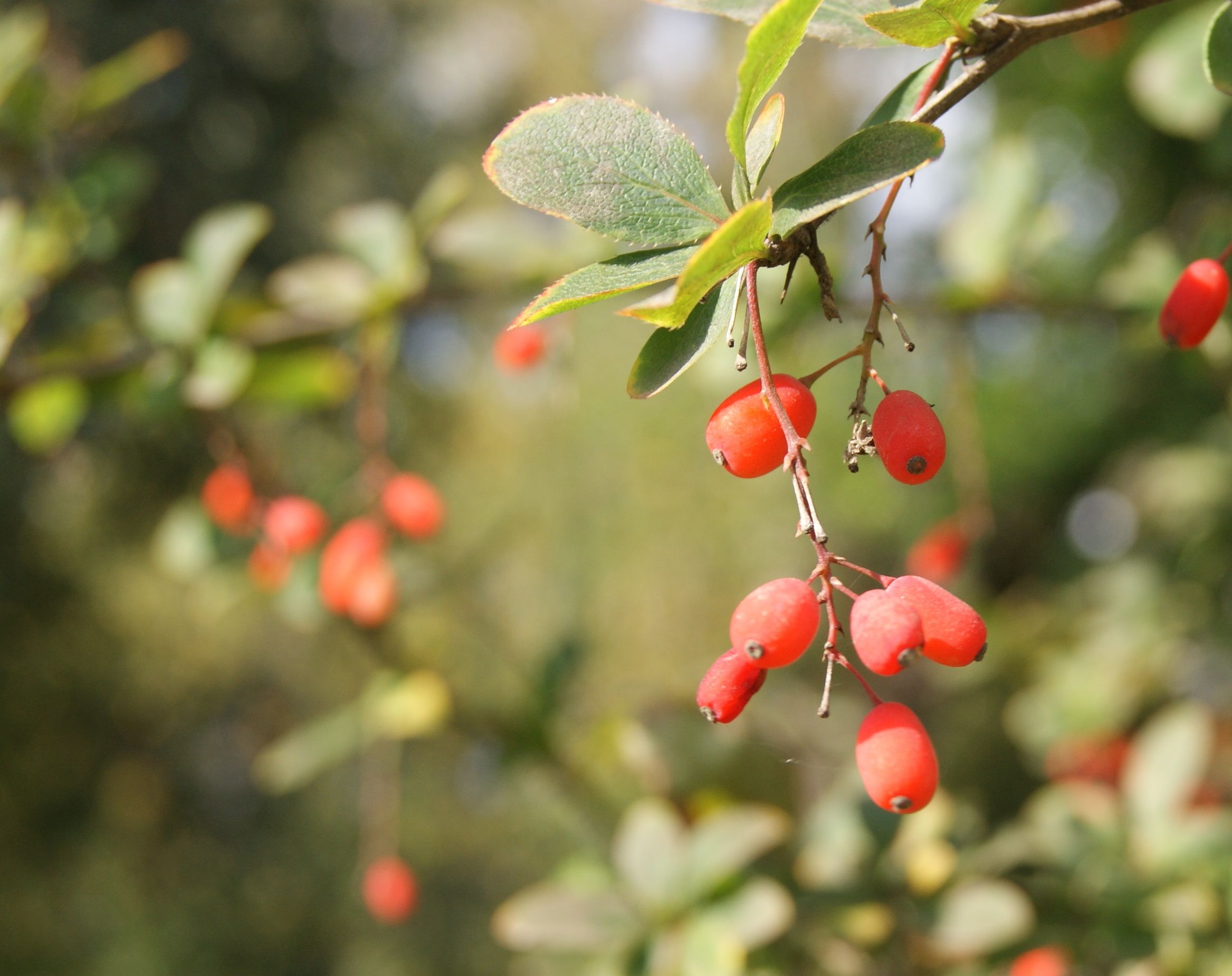
Berberine has been in great demand due to its Virucidal effect.

Anti-influenza Activity of Berberine Improves Prognosis by Reducing Viral Replication…

Berberine, a natural isoquinoline alkaloid isolated from the berberis species, has a wide array of biological properties such as anti-inflammatory, antibacterial, antifungal, and antihelminthic effects. We evaluated the antiviral effect of berberine against influenza A/FM1/1/47 (H1N1) in vivo and in vitro. The results showed that berberine strongly suppressed viral replication in A549 cells and in mouse lungs. Meanwhile, berberine relieved pulmonary inflammation and reduced necrosis, inflammatory cell infiltration, and pulmonary edema induced by viral infection in mice when compared with vehicle-treated mice.

Berberine suppressed the viral infection-induced up-regulation of TLR7 signaling pathway, such as TLR7, MyD88, and NF-κB (p65), at both the mRNA and protein levels. Furthermore, berberine significantly inhibited the viral infection-induced increase in Th1/Th2 and Th17/Treg ratios as well as the production of inflammatory cytokines. Our data provide new insight into the potential of berberine as a therapeutic agent for viral infection via its antiviral activity.

Reference

Anti-influenza Activity of Berberine Improves Prognosis by Reducing Viral Replication in Mice. Phytother Res, 32 (12), 2560-2567 Dec 2018 DOI: 10.1002/ptr.6196

In Vivo and in Vitro Antiviral Effects of Berberine on Influenza Virus…

Berberine showed inhibitory effects on cytopathogenic effects and neuraminidase activity of virus, with the therapeutic index 9.69. In vivo, berberine decreased mice mortality from 90% to 55%, reduced virus titers in the lungs on day 2 postinfection (P<0.05). The lung histology scores were 1.50 ± 0.67, 4.50 ± 1.00, and 5.50 ± 1.00 in the berberine group on days 2, 4, and 6, respectively, which were significantly reduced compared to 2.17 ± 0.22, 6.83 ± 0.44, and 8.50 ± 0.33 in the infected group (P<0.05). The productions of NO and iNOS were repressed by berberine compared with those in the infected group (P<0.01). The transcription and expression of TNF-α were inhibited by berberine on day 4 (P<0.01) and day 6 (P<0.05), and those of MCP-1 were inhibited on day 6 (P<0.01) compared with the infected group.
Berberine exhibited antiviral effects on the influenza virus both in vitro and in vivo. The possible therapeutic mechanism of berberine on influenza-induced viral pneumonia might be inhibiting the virus infection, as well as improving the pathogenic changes by repressing inflammatory substances release.

Reference

In Vivo and in Vitro Antiviral Effects of Berberine on Influenza Virus. Chin J Integr Med, 17 (6), 444-52 Jun 2011 DOI: 10.1007/s11655-011-0640-3

Inhibition of Respiratory Syncytial Virus Replication and Virus-Induced p38 Kinase Activity by Berberine…

Recent studies have shown that p38 mitogen-activated protein kinase (MAPK) activity is implicated in infection by and replication of viruses such as RSV and the influenza virus. Because berberine has previously been implicated in modulating the activity of p38 MAPK, its effects on RSV infection and RSV-mediated p38 MAPK activation were examined. Replication of RSV in epithelial cells was significantly reduced by treatment with berberine.

Berberine treatment caused decrease in viral protein and mRNA syntheses. Similar to previously reported findings, RSV infection caused phosphorylation of p38 MAPK at a very early time point of infection, and phosphorylation was dramatically reduced by berberine treatment. In addition, production of interleukin-6 mRNA upon RSV infection was significantly suppressed by treatment with berberine, suggesting the anti-inflammatory role of berberine during RSV infection.

Taken together, Shin et al., (2015) showed that berberine, a natural compound already proven to be safe for human consumption, suppresses the replication of RSV. In addition, the current study suggests that inhibition of RSV-mediated early p38 MAPK activation, which has been implicated as an early step in viral infection, as a potential molecular mechanism.

Reference

Inhibition of Respiratory Syncytial Virus Replication and Virus-Induced p38 Kinase Activity by Berberine. Int Immunopharmacol, 27 (1), 65-8 Jul 2015 DOI: 10.1016/j.intimp.2015.04.045

St. John’s Wort Effective for Depression, But without SSRI Side Effects

St. John’s wort, an herbal remedy readily available as a dietary supplement, may treat depression as effectively as SSRIs (selective serotonin reuptake inhibitors), but with fewer side effects compared to the prescription antidepressants.

Researchers in China conducted a meta-analysis — a study of prior studies — of studies conducted between 1966 and April 2015 comparing the efficacy and/or safety of St. John’s wort with SSRIs. A total of 27 such studies accounting for 3,127 people with depression were identified.

SSRIs are the most commonly prescribed antidepressants. Brand names include Prozac (fluoxetine), Paxil (paroxetine), Zoloft (sertraline) and Lexapro (escitalopram). Common side effects associated with SSRIs include insomnia, nausea and sexual dysfunction.

Overall, St. John’s wort was found to do as well as SSRIs in terms of reduction in depression symptoms, clinical response and remission of depression. However, St. John’s wort was associated with far fewer adverse events; the researchers wrote in the journal Neuropsychiatric Disease and Treatment.

Also, far fewer patients who were taking St. John’s wort withdrew from trials due to adverse events compared to those on SSRIs. The herbal supplement also had better safety in patients with depression compared to those on an antidepressant.

However, before you consider St. John’s wort as a potential treatment option, you should be aware it has side effects of its own. Combining St. John’s wort with antidepressants can cause dangerously high levels of serotonin in the body (a condition known as serotonin syndrome) that can lead to tremor, diarrhoea or severe confusion.

Also, psychosis is a rare, but possible, side effect of St. John’s wort. The supplement can also interact with many other drugs, including birth control pills, blood thinners and certain cancer medications.

“Given the low cost of treatment with St John’s wort extract versus SSRIs, its significant efficacy, and good safety profile, St John’s wort extract may be a preferred therapeutic choice in the management of depression,” the researchers conclude.

Acupuncture Is Proving Effective

Acupuncture is establishing an ever-larger base of well-done medical research showing a lot of benefits.

Cancer Pain

Acupuncture outperformed “sham” acupuncture to address cancer pain in this review of 17 randomized clinical trials and meta-analysis of 14 trials in the current English-language and Chinese-language literature. The researchers determined that there is a “moderate” amount of evidence that acupuncture and/or acupressure is “significantly associated” with reducing pain intensity and patients using fewer opioids.

It was noted that “…the National Comprehensive Cancer Network [previously] published 11 recommendations for supportive care, and five of 11 include use of acupuncture for relief of cancer pain in adults as well as other cancer-associated symptoms. Authors of the conference report also cited a need for educational programs to train community acupuncturists for services in the oncology setting and to provide more education for primary care providers and oncologists about evidence supporting acupuncture for symptom management in patients with cancer.”

Clinical Evidence for Association of Acupuncture and Acupressure with Improved Cancer Pain – JAMA Oncology, Dec 19, 2019 

Dry mouth

Radiation can cause dry mouth (xerostoma) which sounds minor but has significant effect on the ability to swallow and on dental hygiene. A person with xerostoma must drink water with every bite in order to swallow and move the food down the oesophagus. Water is very filling, making it a challenge to eat enough (get enough calories and nutrition) at a time when keeping weight on is important. Lack of saliva leads to bad breath but worse, dental problems.

Acupuncture was tested against fake or sham acupuncture with good results for acupuncture.

Effect of True and Sham Acupuncture on Radiation-Induced Xerostomia among Patients with Head and Neck Cancer JAMA Complementary and Alternative Medicine Dec 6, 2019

Angina

Chronic stable angina is when you routinely experience pain, discomfort or pressure in your chest when your body is working hard and your heart isn’t getting enough oxygen. Resting makes it feel better. In a recent study a group of 404 people with chronic stable angina was divided into four groups, one including sham (fake) acupuncture, another group with no acupuncture and two groups with acupuncture but in different places — one a deliberately useless place, the other in the traditionally correct places.

All four groups received regular medicine for angina also. The study showed the group with appropriate acupuncture had a better outcome than any of the other three groups.

Clinical Trial in China on Acupuncture as Added Treatment for Chronic Stable Angina  – JAMA, July 29, 2019

https://medshadow.org/news-scan-7-30-2019-xeljanz-acupuncture-for-angina-and-aspirin/ 

Hormone Replacement Therapy

Acupuncture may provide a viable alternative to hormone replacement therapy for women suffering from menopause symptoms. A study enrolled 90 menopausal women who were randomly assigned to get acupuncture for six weeks or no acupuncture. For those in the former group, each session was weekly and lasted for 15 minutes. After six weeks, 80% of the women in the acupuncture group said they felt their symptoms had improved.

Compared to women who didn’t get acupuncture, those who did had significantly fewer day and night sweats, sleep problems, emotional symptoms and skin and hair problems. BMJ Open. – Feb 19, 2019

Breast Cancer Drug Side Effect Relief

Acupuncture is effective in relieving joint pain, a common side effect seen in a class of drugs used to treat breast cancer, according to a new study. Musculoskeletal symptoms are the most common adverse effects of aromatase inhibitors and can be so severe that they cause some women to stop using the treatment altogether.

Effect of Acupuncture vs Sham Acupuncture or Waitlist Control on Joint Pain Related to Aromatase Inhibitors among Women with Early-Stage Breast Cancer – A Randomized Clinical Trial – Jama July 10, 2018 

Information on Coronavirus

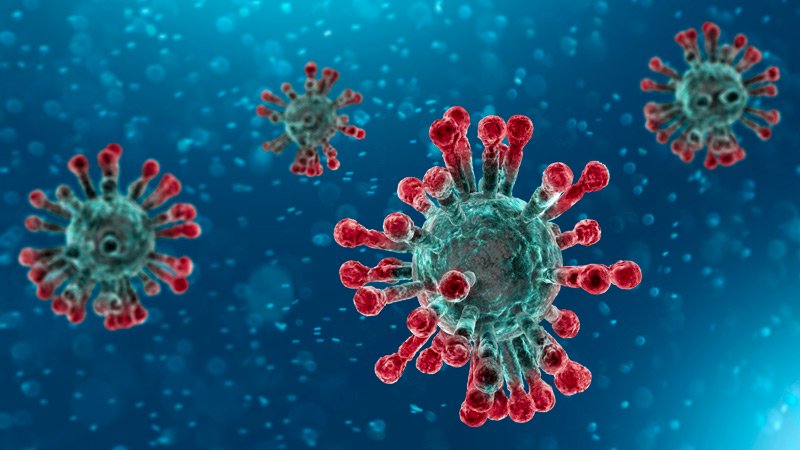
On the 31st December 2019, the World Health Organization (WHO) China country office reported a cluster of pneumonia cases in Wuhan City, Hubei Province of China. Most of the cases are currently experiencing mild to moderate symptoms. The risk of transmission remains low in South Africa as there is no evidence of human-to-human transmission or spread to healthcare workers. It is important to know that there must be a history of contact with a victim / health professional or traveler from China. Remember there are different strains (subspecies) of the Coronavirus and if it is contracted in South-Africa with no contact of a victim / health care professional or traveler to China, it may not be the same aggressive species.

How does the coronavirus spread?

Coronaviruses are a large family of viruses that are common in many different species of animals. This spread includes via camels, cattle, cats, and bats. Animal coronaviruses can infect people, although rarely and then between people such as with MERS, SARS, and now with the new 2019-nCoV originating from China.

Spread from person-to-person happens among close contacts (about within 6 feet). Person-to-person spread is thought to occur mainly via respiratory droplets (droplet spread) produced when an infected person coughs or sneezes, like how influenza and other respiratory pathogens would spread. These droplets can land in the mouths or noses of people who are nearby or possibly be inhaled into the lungs. Currently, it is unclear if a person can get 2019-nCoV by touching a surface or object that has the virus on it and then touching their own mouth, nose, or possibly their eyes.

What are the clinical signs?

The main clinical signs and symptoms are

  • Fever
  • Coughing
  • Difficulty in breathing
  • Bilateral infiltrates (areas of infection) on chest X-rays.

What is the conventional treatment?

Treatment is supportive as no specific therapy has been shown to be effective. Oxygen therapy, chest physio, pain management, fever management, supportive ventilation, cortisone and if a secondary bacterial infection is proven, then an antibiotic will be added.

What could be suggestive integrative treatment be for viral infections as a whole?

  • Olive leaf extract
    • Dose: 500 ‐ 1,000mg twice daily
    • Mechanism: it inhibits cell-to-cell membrane fusion that happen when virus’s replication in a cell. This suggests that there are interactions with the viral envelope
  • Bitter melon extract
    • Dose: 250mg twice daily
    • Mechanism: Antiviral activity is its inhibitory effects on the virus integrating into host cells. Research has also demonstrated reduced rates of T lymphocyte infections and reduced viral replication in infected cells.
  • Vitamin C
    • Dose: 300‐500mg three times per day (maximum of 10g / day)
    • Mechanism: it increases the production of the anti-viral cytokine, increased but production of anti-viral cytokine, interferon (IFN)-α/β, which has major anti-inflammatory and anti-oxidative effects. It is believed that the interferon (IFN)-α/β plays an important role in the regulation of optimal temperature for viral genes, and most likely would destabilize proteins at either suboptimal levels or hyperthermia levels as a possible therapeutic approach.
  • Vitamin D3
    • Dose: 1,000‐2,000 IU daily
    • Mechanism: Though vitamin D’s anti-viral mechanism has not been fully established, it may be linked to vitamin D’s ability to up-regulate the anti-microbial peptides LL-37 (the combination of the anti-biofilm effect and wound-healing properties and immunological effect) and human beta defensin 2 (acts as an endogenous antimicrobial in the defence, among which the potential pathogenic microbes)
  • A high‐quality antioxidant complexes, Spirulina/Chlorella (inhibits viral replication and plaque formation in a broad range of viruses) and Medi-Mushroom (it has cytopathic effect on the virus, is has immunostimulant effect and has inhibition of the reverse transcriptase via ribosome inactivation protein)
  • Coriolus versicolor (PSK/PSP)
    • 3g daily po
    • Coriolus versicolor’s polysaccharide peptide (PSP) has been demonstrated to possess immunomodulatory properties with the ability to activate an innate immune response through Toll-like receptor 4 (TLR4) showing insignificant toxicity.
  • Colloidal Silver
    • Dose: 10ml bd po
    • The presence of colloidal silver near a virus, fungi, bacterium or any other single celled pathogen like viruses disables its oxygen-metabolism enzyme and thereby induce apoptosis.
  • Vitamin C in high dose with UV low level laser therapy has proven to be a strong antiviral combination.
  • Intravenous Laser Therapy, especially blue and ultraviolet laser can be extremely beneficial in the treatment of any viral affliction.