
Here are the answers to the most common queries about the Novel Coronavirus based on our discussion with the various experts from the reputed institutes and analysis of the CDC, WHO, and MoHFW guidelines.
Author Archives: mondeoadmin
Berberine and its Anti-Viral Activities
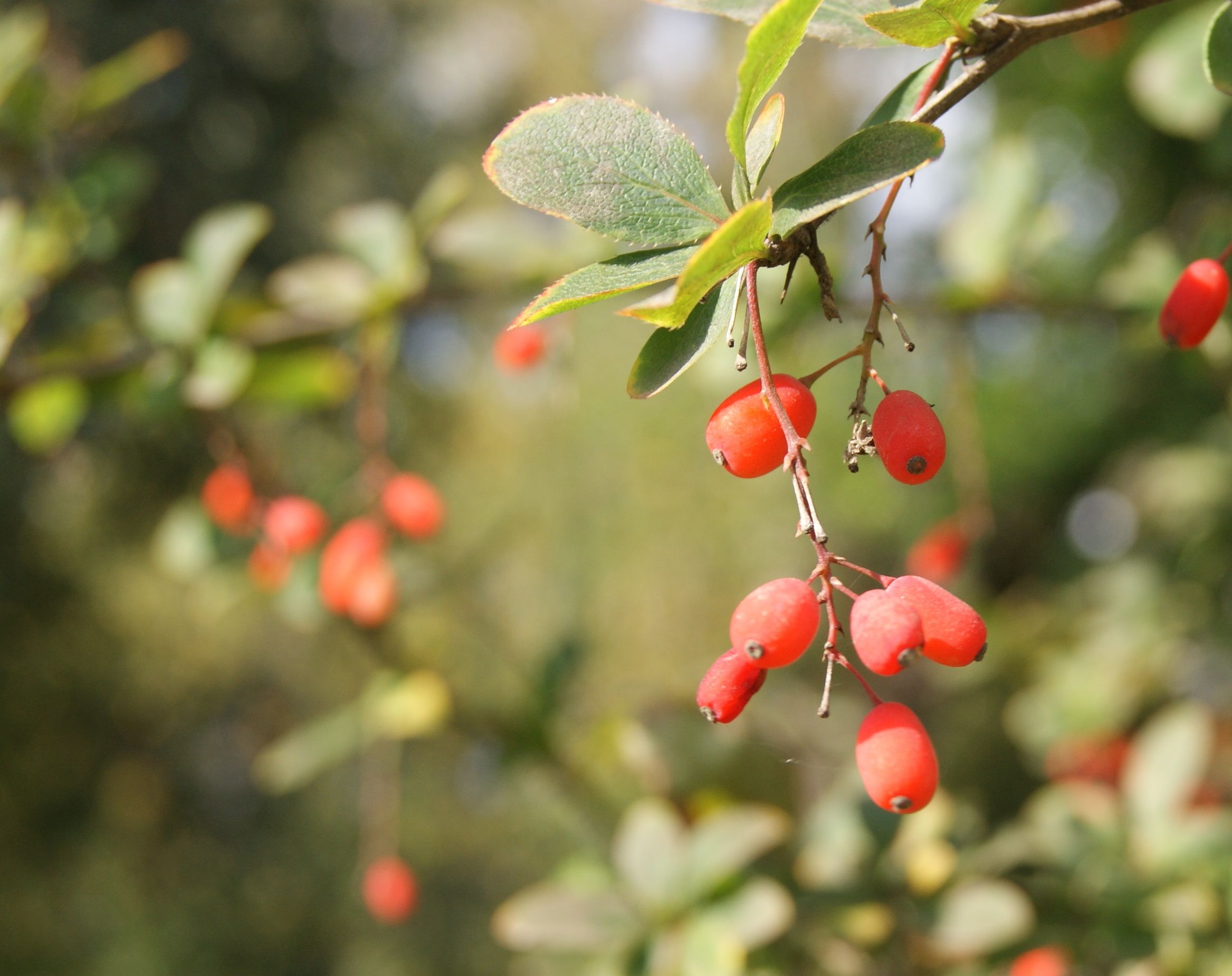
Berberine has been in great demand due to its Virucidal effect.
Anti-influenza Activity of Berberine Improves Prognosis by Reducing Viral Replication…
Berberine, a natural isoquinoline alkaloid isolated from the berberis species, has a wide array of biological properties such as anti-inflammatory, antibacterial, antifungal, and antihelminthic effects. We evaluated the antiviral effect of berberine against influenza A/FM1/1/47 (H1N1) in vivo and in vitro. The results showed that berberine strongly suppressed viral replication in A549 cells and in mouse lungs. Meanwhile, berberine relieved pulmonary inflammation and reduced necrosis, inflammatory cell infiltration, and pulmonary edema induced by viral infection in mice when compared with vehicle-treated mice.
Berberine suppressed the viral infection-induced up-regulation of TLR7 signaling pathway, such as TLR7, MyD88, and NF-κB (p65), at both the mRNA and protein levels. Furthermore, berberine significantly inhibited the viral infection-induced increase in Th1/Th2 and Th17/Treg ratios as well as the production of inflammatory cytokines. Our data provide new insight into the potential of berberine as a therapeutic agent for viral infection via its antiviral activity.
Reference
Anti-influenza Activity of Berberine Improves Prognosis by Reducing Viral Replication in Mice. Phytother Res, 32 (12), 2560-2567 Dec 2018 DOI: 10.1002/ptr.6196
In Vivo and in Vitro Antiviral Effects of Berberine on Influenza Virus…
Berberine showed inhibitory effects on cytopathogenic effects and neuraminidase activity of virus, with the therapeutic index 9.69. In vivo, berberine decreased mice mortality from 90% to 55%, reduced virus titers in the lungs on day 2 postinfection (P<0.05). The lung histology scores were 1.50 ± 0.67, 4.50 ± 1.00, and 5.50 ± 1.00 in the berberine group on days 2, 4, and 6, respectively, which were significantly reduced compared to 2.17 ± 0.22, 6.83 ± 0.44, and 8.50 ± 0.33 in the infected group (P<0.05). The productions of NO and iNOS were repressed by berberine compared with those in the infected group (P<0.01). The transcription and expression of TNF-α were inhibited by berberine on day 4 (P<0.01) and day 6 (P<0.05), and those of MCP-1 were inhibited on day 6 (P<0.01) compared with the infected group.
Berberine exhibited antiviral effects on the influenza virus both in vitro and in vivo. The possible therapeutic mechanism of berberine on influenza-induced viral pneumonia might be inhibiting the virus infection, as well as improving the pathogenic changes by repressing inflammatory substances release.
Reference
In Vivo and in Vitro Antiviral Effects of Berberine on Influenza Virus. Chin J Integr Med, 17 (6), 444-52 Jun 2011 DOI: 10.1007/s11655-011-0640-3
Inhibition of Respiratory Syncytial Virus Replication and Virus-Induced p38 Kinase Activity by Berberine…
Recent studies have shown that p38 mitogen-activated protein kinase (MAPK) activity is implicated in infection by and replication of viruses such as RSV and the influenza virus. Because berberine has previously been implicated in modulating the activity of p38 MAPK, its effects on RSV infection and RSV-mediated p38 MAPK activation were examined. Replication of RSV in epithelial cells was significantly reduced by treatment with berberine.
Berberine treatment caused decrease in viral protein and mRNA syntheses. Similar to previously reported findings, RSV infection caused phosphorylation of p38 MAPK at a very early time point of infection, and phosphorylation was dramatically reduced by berberine treatment. In addition, production of interleukin-6 mRNA upon RSV infection was significantly suppressed by treatment with berberine, suggesting the anti-inflammatory role of berberine during RSV infection.
Taken together, Shin et al., (2015) showed that berberine, a natural compound already proven to be safe for human consumption, suppresses the replication of RSV. In addition, the current study suggests that inhibition of RSV-mediated early p38 MAPK activation, which has been implicated as an early step in viral infection, as a potential molecular mechanism.
Reference
Inhibition of Respiratory Syncytial Virus Replication and Virus-Induced p38 Kinase Activity by Berberine. Int Immunopharmacol, 27 (1), 65-8 Jul 2015 DOI: 10.1016/j.intimp.2015.04.045
St. John’s Wort Effective for Depression, But without SSRI Side Effects

St. John’s wort, an herbal remedy readily available as a dietary supplement, may treat depression as effectively as SSRIs (selective serotonin reuptake inhibitors), but with fewer side effects compared to the prescription antidepressants.
Researchers in China conducted a meta-analysis — a study of prior studies — of studies conducted between 1966 and April 2015 comparing the efficacy and/or safety of St. John’s wort with SSRIs. A total of 27 such studies accounting for 3,127 people with depression were identified.
SSRIs are the most commonly prescribed antidepressants. Brand names include Prozac (fluoxetine), Paxil (paroxetine), Zoloft (sertraline) and Lexapro (escitalopram). Common side effects associated with SSRIs include insomnia, nausea and sexual dysfunction.
Overall, St. John’s wort was found to do as well as SSRIs in terms of reduction in depression symptoms, clinical response and remission of depression. However, St. John’s wort was associated with far fewer adverse events; the researchers wrote in the journal Neuropsychiatric Disease and Treatment.
Also, far fewer patients who were taking St. John’s wort withdrew from trials due to adverse events compared to those on SSRIs. The herbal supplement also had better safety in patients with depression compared to those on an antidepressant.
However, before you consider St. John’s wort as a potential treatment option, you should be aware it has side effects of its own. Combining St. John’s wort with antidepressants can cause dangerously high levels of serotonin in the body (a condition known as serotonin syndrome) that can lead to tremor, diarrhoea or severe confusion.
Also, psychosis is a rare, but possible, side effect of St. John’s wort. The supplement can also interact with many other drugs, including birth control pills, blood thinners and certain cancer medications.
“Given the low cost of treatment with St John’s wort extract versus SSRIs, its significant efficacy, and good safety profile, St John’s wort extract may be a preferred therapeutic choice in the management of depression,” the researchers conclude.
Acupuncture Is Proving Effective

Acupuncture is establishing an ever-larger base of well-done medical research showing a lot of benefits.
Cancer Pain
Acupuncture outperformed “sham” acupuncture to address cancer pain in this review of 17 randomized clinical trials and meta-analysis of 14 trials in the current English-language and Chinese-language literature. The researchers determined that there is a “moderate” amount of evidence that acupuncture and/or acupressure is “significantly associated” with reducing pain intensity and patients using fewer opioids.
It was noted that “…the National Comprehensive Cancer Network [previously] published 11 recommendations for supportive care, and five of 11 include use of acupuncture for relief of cancer pain in adults as well as other cancer-associated symptoms. Authors of the conference report also cited a need for educational programs to train community acupuncturists for services in the oncology setting and to provide more education for primary care providers and oncologists about evidence supporting acupuncture for symptom management in patients with cancer.”
Clinical Evidence for Association of Acupuncture and Acupressure with Improved Cancer Pain – JAMA Oncology, Dec 19, 2019
Dry mouth
Radiation can cause dry mouth (xerostoma) which sounds minor but has significant effect on the ability to swallow and on dental hygiene. A person with xerostoma must drink water with every bite in order to swallow and move the food down the oesophagus. Water is very filling, making it a challenge to eat enough (get enough calories and nutrition) at a time when keeping weight on is important. Lack of saliva leads to bad breath but worse, dental problems.
Acupuncture was tested against fake or sham acupuncture with good results for acupuncture.
Effect of True and Sham Acupuncture on Radiation-Induced Xerostomia among Patients with Head and Neck Cancer JAMA Complementary and Alternative Medicine Dec 6, 2019
Angina
Chronic stable angina is when you routinely experience pain, discomfort or pressure in your chest when your body is working hard and your heart isn’t getting enough oxygen. Resting makes it feel better. In a recent study a group of 404 people with chronic stable angina was divided into four groups, one including sham (fake) acupuncture, another group with no acupuncture and two groups with acupuncture but in different places — one a deliberately useless place, the other in the traditionally correct places.
All four groups received regular medicine for angina also. The study showed the group with appropriate acupuncture had a better outcome than any of the other three groups.
Clinical Trial in China on Acupuncture as Added Treatment for Chronic Stable Angina – JAMA, July 29, 2019
https://medshadow.org/news-scan-7-30-2019-xeljanz-acupuncture-for-angina-and-aspirin/
Hormone Replacement Therapy
Acupuncture may provide a viable alternative to hormone replacement therapy for women suffering from menopause symptoms. A study enrolled 90 menopausal women who were randomly assigned to get acupuncture for six weeks or no acupuncture. For those in the former group, each session was weekly and lasted for 15 minutes. After six weeks, 80% of the women in the acupuncture group said they felt their symptoms had improved.
Compared to women who didn’t get acupuncture, those who did had significantly fewer day and night sweats, sleep problems, emotional symptoms and skin and hair problems. BMJ Open. – Feb 19, 2019
Breast Cancer Drug Side Effect Relief
Acupuncture is effective in relieving joint pain, a common side effect seen in a class of drugs used to treat breast cancer, according to a new study. Musculoskeletal symptoms are the most common adverse effects of aromatase inhibitors and can be so severe that they cause some women to stop using the treatment altogether.
Effect of Acupuncture vs Sham Acupuncture or Waitlist Control on Joint Pain Related to Aromatase Inhibitors among Women with Early-Stage Breast Cancer – A Randomized Clinical Trial – Jama July 10, 2018
Information on Coronavirus
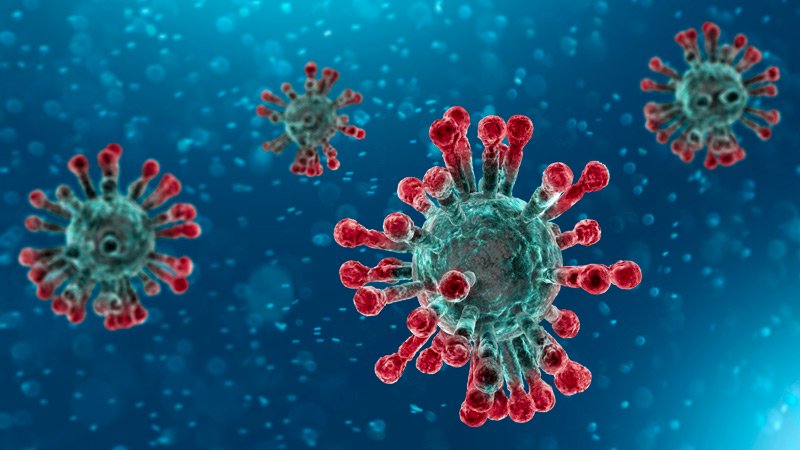
On the 31st December 2019, the World Health Organization (WHO) China country office reported a cluster of pneumonia cases in Wuhan City, Hubei Province of China. Most of the cases are currently experiencing mild to moderate symptoms. The risk of transmission remains low in South Africa as there is no evidence of human-to-human transmission or spread to healthcare workers. It is important to know that there must be a history of contact with a victim / health professional or traveler from China. Remember there are different strains (subspecies) of the Coronavirus and if it is contracted in South-Africa with no contact of a victim / health care professional or traveler to China, it may not be the same aggressive species.
How does the coronavirus spread?
Coronaviruses are a large family of viruses that are common in many different species of animals. This spread includes via camels, cattle, cats, and bats. Animal coronaviruses can infect people, although rarely and then between people such as with MERS, SARS, and now with the new 2019-nCoV originating from China.
Spread from person-to-person happens among close contacts (about within 6 feet). Person-to-person spread is thought to occur mainly via respiratory droplets (droplet spread) produced when an infected person coughs or sneezes, like how influenza and other respiratory pathogens would spread. These droplets can land in the mouths or noses of people who are nearby or possibly be inhaled into the lungs. Currently, it is unclear if a person can get 2019-nCoV by touching a surface or object that has the virus on it and then touching their own mouth, nose, or possibly their eyes.
What are the clinical signs?
The main clinical signs and symptoms are
- Fever
- Coughing
- Difficulty in breathing
- Bilateral infiltrates (areas of infection) on chest X-rays.
What is the conventional treatment?
Treatment is supportive as no specific therapy has been shown to be effective. Oxygen therapy, chest physio, pain management, fever management, supportive ventilation, cortisone and if a secondary bacterial infection is proven, then an antibiotic will be added.
What could be suggestive integrative treatment be for viral infections as a whole?
- Olive leaf extract
- Dose: 500 ‐ 1,000mg twice daily
- Mechanism: it inhibits cell-to-cell membrane fusion that happen when virus’s replication in a cell. This suggests that there are interactions with the viral envelope
- Bitter melon extract
- Dose: 250mg twice daily
- Mechanism: Antiviral activity is its inhibitory effects on the virus integrating into host cells. Research has also demonstrated reduced rates of T lymphocyte infections and reduced viral replication in infected cells.
- Vitamin C
- Dose: 300‐500mg three times per day (maximum of 10g / day)
- Mechanism: it increases the production of the anti-viral cytokine, increased but production of anti-viral cytokine, interferon (IFN)-α/β, which has major anti-inflammatory and anti-oxidative effects. It is believed that the interferon (IFN)-α/β plays an important role in the regulation of optimal temperature for viral genes, and most likely would destabilize proteins at either suboptimal levels or hyperthermia levels as a possible therapeutic approach.
- Vitamin D3
- Dose: 1,000‐2,000 IU daily
- Mechanism: Though vitamin D’s anti-viral mechanism has not been fully established, it may be linked to vitamin D’s ability to up-regulate the anti-microbial peptides LL-37 (the combination of the anti-biofilm effect and wound-healing properties and immunological effect) and human beta defensin 2 (acts as an endogenous antimicrobial in the defence, among which the potential pathogenic microbes)
- A high‐quality antioxidant complexes, Spirulina/Chlorella (inhibits viral replication and plaque formation in a broad range of viruses) and Medi-Mushroom (it has cytopathic effect on the virus, is has immunostimulant effect and has inhibition of the reverse transcriptase via ribosome inactivation protein)
- Coriolus versicolor (PSK/PSP)
- 3g daily po
- Coriolus versicolor’s polysaccharide peptide (PSP) has been demonstrated to possess immunomodulatory properties with the ability to activate an innate immune response through Toll-like receptor 4 (TLR4) showing insignificant toxicity.
- Colloidal Silver
- Dose: 10ml bd po
- The presence of colloidal silver near a virus, fungi, bacterium or any other single celled pathogen like viruses disables its oxygen-metabolism enzyme and thereby induce apoptosis.
- Vitamin C in high dose with UV low level laser therapy has proven to be a strong antiviral combination.
- Intravenous Laser Therapy, especially blue and ultraviolet laser can be extremely beneficial in the treatment of any viral affliction.
What is the Ketogenic Diet?

Selection of good fat sources – healthy eating concept. Ketogenic diet concept, copy space
1. What is the ketogenic diet?
Low in carbohydrates with moderate protein and high in fat, a ketogenic diet prompts the body to burn fat for energy rather than glucose, which leads to the production of ketone bodies—molecules that can be used as a source of fuel. A typical ketogenic diet consists of ~70% fat, 20% protein, and 10% carbohydrates. Though this can vary slightly depending on the individual, this diet is specifically designed to induce nutritional ketosis.
2. What is ketosis?
When ketone bodies accumulate in the bloodstream (>0.5 mmol/L) due to low glucose availability, they cause a metabolic state called ketosis. The most efficient approach to induce nutritional ketosis is to lower dietary carbohydrate intake while increasing fat intake. This reduction in carbohydrate intake helps the body shift toward a state that promotes the breakdown of fats (from the diet and your body) to produce ketone bodies and enter ketosis.
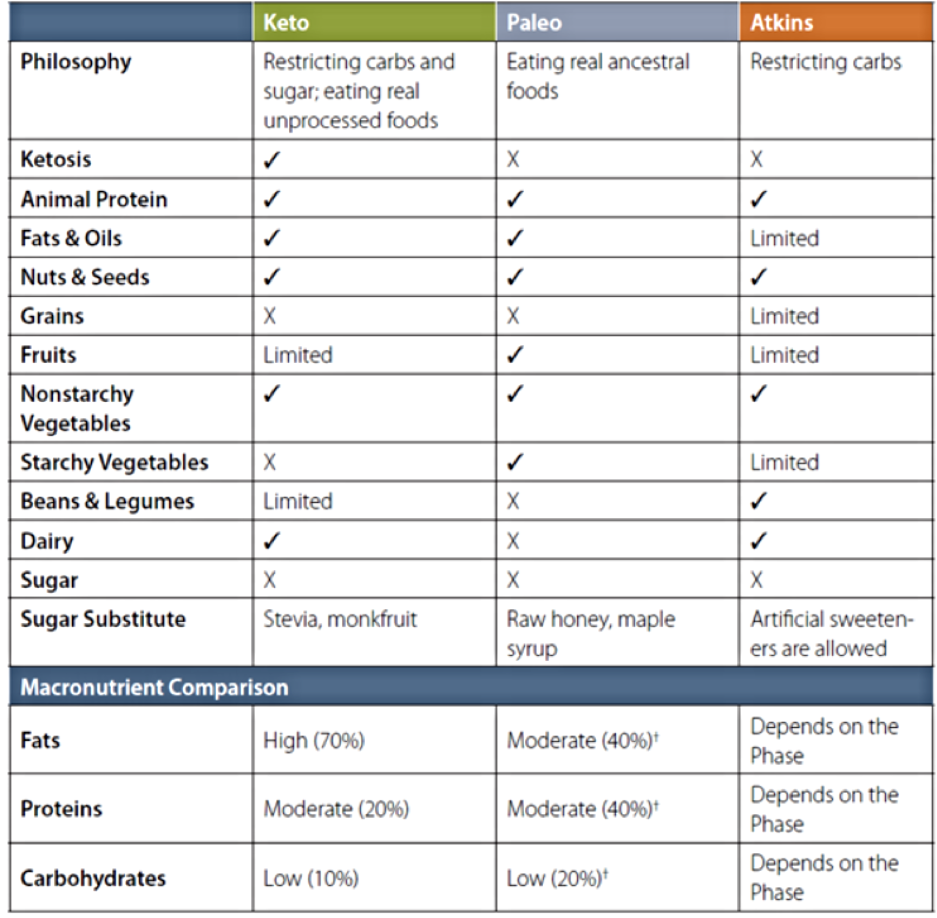
3. How does the ketogenic diet differ from a paleo diet, Mediterranean, Atkins?
One diet does not fit all—the best diet is the one that you can stick with for long-term. As a lifestyle modification, it should be closely monitored and modified as needed.
4. What is intermittent fasting? How is this beneficial for someone on ketogenic diet?
Intermittent fasting (IF) limits the eating window to just a few hours a day. However, during this window, one simply eats to feel full. This practice allows the body to increase the amount of food intake at one time, and induce adaptive metabolic changes. There are many different variations of intermittent fasting, and many different reasons for doing so. Some people may experience mental clarity and focus as well as using intermittent fasting to get over a plateau.
5. What are ketones? How are they produced?
Ketone bodies production in the liver is a natural process when the body increases the use of fat as the main source of fuel. This occurs during a fasting state and/or prolonged exercise, or when dietary carbohydrates are very low. There are three endogenous ketone bodies. These are acetone, acetoacetate and beta-hydroxybutyrate (βHB).
When following a ketogenic diet, your brain, as well as other organs and tissues, depend on ketones as an energy source. Ketones can be measured in the blood, breath and urine, and measuring can be helpful when following a ketogenic diet or program to ensure that the desired level of ketosis is reached and maintained.
6. What is keto-adaptation? How long does it take to adapt?
Keto-adaptation is the process the body goes through during the ketogenic diet as it switches to using fat as an energy source rather than glucose. The length of time varies for individuals, but typically starts a few days after being on a ketogenic diet. Within a week to two weeks, many people report positive effects of keto-adaptation, and studies have shown that signs of keto-adaptation (such as increase in fat oxidation) occur within this time-frame.
7. What are exogenous ketones vs. endogenous ketones? Are there benefits to taking exogenous ketones?
Exogenous ketones are ketone bodies in either mineral or ester forms that can be ingested as a nutritional supplement, producing acute elevations in circulating ketone levels. Nutritional ketosis resulting from adherence to a ketogenic diet is often referred to as endogenous ketosis in contrast to peripheral ketosis induced by supplementation, referred to as exogenous ketosis.
8. Which patients or individuals would be excluded or not advised to follow a ketogenic diet?
While the ketogenic program can benefit a wide array of patients, it may not be suitable for patients with possible inborn metabolic disorders (CPTI or II deficiency; β-oxidation defects [LCAD, MCAD, SCAD]; and pyruvate carboxylase deficiency). Caution should also be used in patients with the following conditions:
- Type 1 Diabetes (diabetic ketoacidosis (a mixture of high blood glucose with high KB levels) can result in acidosis)
- Kidney disease (the ketogenic diet has not been studied in people with impaired kidney function)
- Liver disease
9. Is it safe long term? How long should a patient be on the ketogenic diet?
Depending on the health goals, the practitioner may recommend a specific time period for the patient to be on the ketogenic diet. There are many people and cultures that go into ketosis and stay there for a long period of time without any negative effects.
10. Can someone just dabble in keto for a few days/weeks? Can they still get benefits?
While there is evidence to support the long-term use of ketogenic diets without serious side effects, there are also benefits to just doing a cyclical ketogenic diet. We encourage patients to stay on the ketogenic program for a period of 6-12 weeks as it takes some time for the body to be “keto-adapted” and for them to start seeing results.
11. During the keto-adaptation process, which noticeable changes are expected and what is the “keto flu”?
During the keto-adaptation process, many people may experience symptoms of the “keto flu”. These symptoms occur because the body, being used to utilizing carbohydrates as main source of energy, is going through a metabolic shift to burn fat instead. Some people describe this as a feeling of withdrawal. Symptoms one may experience include feeling drowsy, achy, nauseous, dizzy, and irritable. Some may even experience cramping, stomach pains, and muscle soreness.
12. How long do these symptoms last?
It varies for the individual, but the keto flu lasts typically a week or less for the average person and not everyone experiences the keto flu. However, below are some anecdotal ways to mitigate symptoms of the keto flu. Increase electrolyte intake, but avoid those electrolyte sports drinks with high sugar.
- Drink more water
- Eat more quality fat
- Take an exogenous ketone supplement
- Increase in exercise
- Get plenty of sleep
13. How should a patient measure whether they have achieved ketosis?
Ketones can be measured in a variety of ways via a breath meter, urine strips, or a blood meter. The blood meter is the most accurate way to measure the levels of ketones (primarily βHB) in the body. However, this method is more invasive than others, and can also be significantly more expensive. Your healthcare practitioner can advise you on commercially available blood meters to test ketone levels by looking at circulating levels of βHB measured in millimolar (mmol/L) units.
14. What levels should be achieved (millimolars)?
While variable among individuals, βHB ranges >0.5mmol are considered the beginning of the range of nutritional ketosis and a range at which clinical benefits (for example to body weight management) have been described. Work is ongoing to understand the optimal range of circulating ketones for different outcomes.

What’s the difference between CBD oil and hemp oil?

A common question asked when looking to buy CBD oil products is, “What’s the difference between hemp oil and CBD oil?”
Hemp Oil
Hemp Oil is a full-spectrum oil from the Cannabis sativa plant or hemp seed oil, (oil from the seeds of the hemp plant).
Hemp Oil (Full Spectrum) is when the pure oil extracted from hemp contains all the same phytocannibinoids and compounds found in the original hemp plant.
The most abundant phytocannabinoid found in hemp oil is cannabidiol (CBD), a non-psychoactive compound. CBD makes up over 90% of the phytocannabinoid content in full-spectrum Hemp oil.
Health benefits of full-spectrum hemp oil – Phytocannabinoids and other natural constituents found in full-spectrum hemp oil work together as the “entourage effect,” to magnify their therapeutic properties. The complex mix of phytocannabinoids, essential nutrients, protein, and healthy fats work synergistically to encourage homeostasis and balance in our health.
Hemp seed oil is the hemp equivalent to olive oil, coconut oil and grape seed oil. It’s good for cooking and salad dressing with no CBD. It’s not medicinal. The seeds of the cannabis plant do not produce any CBD.
How do you know if a product labelled hemp oil is just hemp seed oil? The product label will say “unrefined cold-pressed hemp seed oil”.
CBD Oil
CBD oil is extracted from the aerial flower parts, stalk and/or stems of the hemp plant.
It can be used to describe either a CBD isolate or a full spectrum hemp oil
CBD isolate: CBD is the sole active ingredient, all the other naturally occurring components have been removed.
Full spectrum hemp extract: CBD, other Phytocannabinoids and terpenes
*If broad-spectrum hemp extract is listed as an ingredient, it will indicate a full spectrum hemp oil formula*
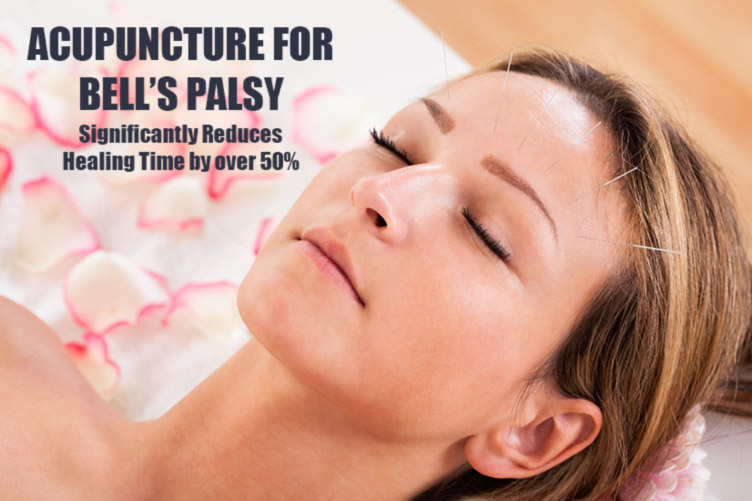
Acupuncture for Bell’s Palsy
Bell’s palsy is a neurological disorder that manifests as a paralysis of the face. This disorder often affects only one side of the face.
Bell’s palsy is thought to be a result of damage to the facial nerve that controls the muscles on one side of the face, which then causes those muscles to droop.
The facial nerve damage that affects the facial muscles can also impact a person’s taste, saliva, or ability to cry. Bell’s palsy is most common in young adults, the elderly, diabetics, and pregnant women, but it can affect anyone.
This condition is often a shock, as it comes on overnight. The majority of patients wake with the facial muscles in paralysis. Most patients either have no symptoms beforehand, or they miss the warning signs, which are subtle and can include neck pain, pain behind the ear, or pain in the back of the head.

People with Bell’s Palsy can experience difficulty with multiple facial functions including closing their eyes, eating, smiling, and their speech can also become slurred. Often, people jump to the conclusion that a stroke has occurred, but thankfully, Bell’s Palsy is not the result of a stroke, and is also a temporary affliction. While the condition comes on suddenly, it usually passes or gets better on its own within time.
Because the facial nerve has so many functions, damage to the nerve or a disruption in its function can lead to many symptoms, which vary from person to person and range in severity from mild weakness to total paralysis.
They may include twitching, weakness, or paralysis on one or both sides of the face, drooping of the eyelid and corner of the mouth, drooling, dryness of the eye or mouth, impairment of taste, and excessive tearing in one eye.
Other symptoms may include pain or discomfort around the jaw and behind the ear, ringing in one or both ears, headache, loss of taste, hypersensitivity to sound on the affected side, impaired speech, dizziness, and difficulty eating or drinking.
What Causes Bell’s Palsy?
Most scientists believe that a viral infection such as viral meningitis or the common cold sore virus – herpes simplex – causes the disorder. They believe that the facial nerve swells and becomes inflamed in reaction to the infection, causing pressure within the Fallopian canal and leading to an infarction (the death of nerve cells due to insufficient blood and oxygen supply).
In some mild cases, there is damage only to the myelin sheath of the nerve, or the fatty covering-which acts as an insulator-on nerve fibers in the brain.
The disorder has also been associated with influenza or a flu-like illness, headaches, chronic middle ear infection, high blood pressure, diabetes, sarcoidosis, tumours, Lyme disease, and trauma such as skull fracture or facial injury.
Western Medicine’s Approach to Bell’s Palsy
There is no cure or standard course of treatment for Bell’s palsy. The most important factor in treatment is to eliminate the source of the nerve damage.
The condition affects each individual differently. Some cases are mild and symptoms usually subside on their own within 2 weeks. For others, treatment may include pharmaceutical medications and other therapeutic options.
Steroids are often used as a treatment for Bell’s palsy. An antiviral drug such as acyclovir combined with an anti-inflammatory drug such as the steroid prednisone may be prescribed in order to reduce damage to the nerve.
Analgesics may be given relieve pain.
Treating Bell’s Palsy with Chinese Medicine
In China, acupuncture has been used for thousands of years to assist in Bell’s Palsy recovery. Many studies have been done in China which shows that acupuncture is extremely effective in treating Bell’s palsy when it is used promptly.
Complete recovery can take place in one or two weeks. Consistent acupuncture treatments (usually recommended once or twice per week), can help soothe a patient, expedite the paralysis from dissipating, and enhance nerve function. Some people recover spontaneously, although this can take from a few weeks to a year.
From a Chinese Medicine perspective, acupuncture is seen as the main treatment for Bell’s Palsy. Using acupuncture points on the affected side of the face, neck, and head as well as other parts of the body allows the Qi to be spread through the meridians to decrease the healing time and prevent any residual dysfunction of facial muscles. Herbal formulas specifically designed for this condition can also be prescribed to effect healing from the inside out.
These herbal remedies may be used not only to offer a therapeutic effect but to promote effective functioning of the nervous system and prevent stress (which is thought to exacerbate Bell’s palsy).
Massage can also help ease the symptoms of Bell’s palsy. Gently massaging the affected areas of the face or practicing daily facial exercises can help the condition.
Additionally, a full body massage on areas that are unaffected by the condition can help. Stress can worsen the condition, and is often thought to be a precipitating factor that may bring on an episode, so receiving a relaxing, full body massage can help soothe a patient and lead to a quicker recovery.
Some patients with Bell’s palsy may want to take several weeks of recovery time in which they may choose to stay at home and take some time off from their normally rigorous daily routines.
At our clinic we offer several options ranging from
- herbal remedies
- laser treatment
- acupuncture
- supplements
All of these treatment options are tailored to fit the patient’s individual constitution, needs, lifestyle, health history, current condition and more.
For more information please call Karen on 011 4330066.
Is your workout causing your acne?
Working out can cause excessive sweating, as well as a build-up of oil, dirt, and bacteria on your skin — all of which can lead to acne. However, you don’t have to quit exercising in order to see clearer skin. The key is to maintain proper hygiene before, during, and after your workouts.
Do you suspect that your workout is causing (or worsening) your acne? You could be right.
If your workout is the culprit, you don’t have to stop exercising. You can continue to play sports, take your favourite exercise class, or hit the gym and still see clearer skin. Here’s what dermatologists recommend.
Before your workout
- Remove your makeup. No need to wash your face. An oil-free makeup remover towelette works fine.
- Put on clean workout clothes (washed since you last wore them). Dead skin cells, bacteria, and oils on unwashed clothes can clog your pores, leading to acne.
- Apply oil-free sunscreen before you head outside. If you’re going to exercise outdoors during the day, you can prevent breakouts by protecting your skin from the sun.
Yes, the sun can cause breakouts because it dries your skin. When this happens, your body produces more oil, which can clog pores and cause acne.
To get the protection you need, you’ll want to apply a sunscreen that offers:
- SPF 30 or higher
- Broad spectrum (protects you from UVA and UVB rays)
- Water resistance
- Oil-free formulation (Label may say “non-comedogenic” or “won’t clog pores”)
During your workout
- Use a clean towel to wipe off sweat. You want a towel that has been washed since you (or someone else) last used it.
When you remove sweat from your skin, gently pat it off. Rubbing your skin can cause acne to flare.
- Avoid sharing protective equipment like helmets and shoulder pads whenever possible. These can be full of acne-causing bacteria and oil, which may cause you to breakout.
- Wipe off shared equipment before you use it. Shared equipment can be full of acne-causing bacteria and oil. If you use the equipment and then wipe your forehead or other acne-prone skin, you can spread acne-causing bacteria and oil from the equipment to your skin
After your workout
- Consider showering immediately after your work out. This may rinse away bacteria that can cause acne.
When you wash your face and other skin with acne, you’ll want to use a cleanser that is:
- Mild
- Oil free (label may say “non-comedogenic” or “won’t clog pores” instead)
A mild, oil-free cleanser can remove bacteria that can lead to acne and prevent clogged pores without irritating your skin.
When washing skin with acne, be very gentle. Apply the cleanser with your fingertips and gently rinse it off with warm water. Rubbing, hot water, or anything else that irritates your skin can cause acne to flare.
If you aren’t able to shower, consider changing out of your workout clothes and wiping skin that tends to break out with pads that contain salicylic acid. This can prevent clogged pores.
If you have acne or acne-prone skin, following these recommendations from dermatologists can allow you to work out and see clearer skin. You’ll also want to continue treating your acne.
If you still have breakouts after trying these tips, your sports equipment or clothing might be to blame. Everything from football helmets to synthetic dance clothes can cause acne.
This Lab-grown patch could repair your heart after a heart attack
Patches could help repair damaged hearts.
Heart disease is the leading cause of death in the US for both men and women. According to the Centres for Disease Control and Prevention, 735, 00 Americans have a heart attack each year, and 610,000 die of heart disease.
Those who survive heart attacks remain at serious risk for heart failure. During a heart attack, the network of blood vessels that delivers blood to the heart, called the coronary arteries, experiences a blockage due to build-up of cholesterol and fatty deposits. Blood can’t flow through to the heart, which means it doesn’t get the oxygen and nutrients it needs, causing tissue to die.
Heart attack survivors are thus left with a heart that’s weaker, making everyday tasks like lifting objects or climbing stairs exhausting or even dangerous. Restoring damaged heart tissue has proved difficult if not impossible, but a research team from Imperial College London has a new tool they hope will be able to heal wounded hearts.
The team developed thumb-sized patches of heart tissue, about two by three centimetres in size and containing up to 50 million human stem cells. They programmed the stem cells to mature into working heart muscle, or cardiac progenitor cells. The patches are sewn onto the damaged area of the heart to help pump blood and release chemicals to stimulate repair and regeneration. The team presented its research at the British Cardiovascular Society (BCS) Conference in Manchester this week.
Using stem cells to treat weakened heart muscle isn’t a new concept. But many existing methods injected stem cells directly into damaged tissue, and without a ‘scaffold’ to hold them in place, the cells would clear out of the heart before achieving significant tissue repair.
The team tested the patches in rabbits, finding that four weeks after implanting a patch, the hearts’ left ventricles (the chamber that pumps blood to the body through the aorta) recovered without developing abnormal heart rhythms. They also found that blood vessels from recipient hearts grew into the patches and helped nourish them, a crucial step for integration. The patches started to beat spontaneously after just three days, and within one month started to mimic mature heart tissue.
The next step is to test the safety of the patches through clinical trials, then attempt to use them to repair human hearts.
“One day, we hope to add heart patches to the treatments that doctors can routinely offer people after a heart attack,” said Dr. Richard Jabbour, who carried out the research. “We could prescribe one of these patches alongside medicines for someone with heart failure, which you could take from a shelf and implant straight into a person.”
Professor Metin Avkiran, associate medical director at the British Heart Foundation, which funded the research, added “This is a prime example of world-leading research that has the potential to mend broken hearts and transform lives around the globe. If clinical trials can show the benefits of these heart patches in people after a heart attack, it would be a great leap forward for regenerative medicine.”