
Heart Disease

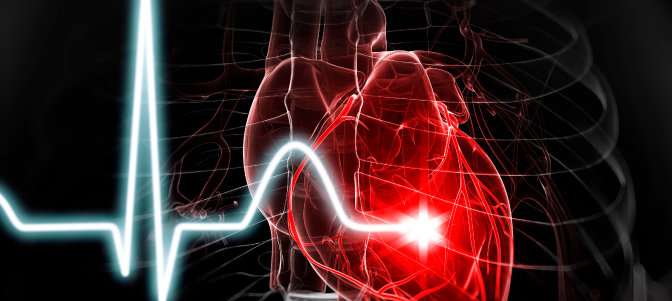
Heart disease is the leading killer of men and women over the age of 50. Heart attacks are twice as deadly for women as they are for men.
2-heartdisease

Statistics (which need not apply to you) show that one in two women will eventually die of some kind of heart disease—either coronary artery disease causing a heart attack or a stroke and 1 in 4 men!

Disorders that are characterized by arteriosclerosis which increased risk for heart disease include:

  • diabetes
  • insulin resistance
  • high cholesterol
  • obesity
  • smoking
  • physical inactivity
  • hypertension
  • decreased thyroid hormone
  • poor diet
  • inflammation
  • a genetic tendency toward producing too much homocysteine

No matter where cardiovascular disease first shows up, it is present throughout the entire body and steps should be taken to prevent or treat it before it shows up in mid-life!
Most of the time, arteriosclerosis is not diagnosed until an individual has a heart attack or stroke.
If you have diabetes or high blood pressure, are significantly overweight, never exercise, follow a poor diet, or are a smoker, one can virtually guarantee that you already have arteriosclerosis!

Listen to Your Body

Men who are having a heart attack typically present with chest pain that begins under the breastbone and spreads to the jaw and the left arm. Heart attack may also just feel like indigestion. 50% of men typically have no symptoms.
Women with heart attacks may not have chest pain at all either. Instead, they may experience primarily jaw pain and indigestion.
More women than men with so-called normal coronary arteries also have heart attacks, angina, and myocardial ischemia. As a result, a normal angiogram (blood vessel study) in a woman with symptoms doesn’t necessarily mean that she doesn’t have heart disease.
What Causes This
Cardiovascular disease results, in part, from arteriosclerosis—an accumulation of oxidized fat in blood vessels that calcifies and eventually causes blood vessel and heart damage, especially if there is inflammation present in the body.
Arteriosclerosis underlies all coronary artery disease and is responsible for the majority of deaths in the Western world.
Hardening of the arteries is caused by damage to the endothelial lining of blood vessels from free radicals.
This, in turn, is caused by Glycaemic stress, Tran’s fats, Emotional stress, and Micronutrient deficiencies which cause inflammation.
The part emotional stress plays in this equation cannot be overemphasized.
Emotions such as depression, anxiety, panic, and grief have been shown to cause constriction in blood vessels, thereby impeding the free flow of blood.
And anything that causes constriction in your blood vessels makes your heart and your vessels work harder to do their job.

Treatment and prevention

Hormone replacement therapy
There is a large body of research that shows oestrogen has a beneficial effect on the heart and blood vessels. In using HRT however, women should be aware of the fact that it can increase the risk of blood clots and hence stroke as well as breast cancer.
Bio-identical hormone replacement is safer than synthetic hormones.
There are many nutraceutical and herbal combinations available that also help to balance and increase oestrogen more safely.

Testosterone therapy
Recent studies indicate that Testosterone replacement in men reduce their risks of major adverse cardiovascular events — including strokes, heart attacks, and death.
Insulin resistance:
An enormous amount of data exists on the link between nutrition and heart disease, particularly with regard to the ill effects of excess insulin and the benefits of antioxidants.
Lifestyle:
Diets high in the consumption of trans-fatty acids (including hydrogenated oils) and refined carbohydrates, combined with inadequate exercise and protein, all set the stage for cellular inflammation, which creates a predisposition to hypertension, diabetes, and heart disease.
Eating five to six servings of fruits and vegetables per day has been shown to lower the risk of stroke by 31 percent.
The strongest effect comes from the cruciferous vegetables, such as broccoli, cauliflower, brussel sprouts, and cabbage, followed by green leafy vegetables and citrus fruit and juice.
One study showed that people who ate just five large carrots per week lowered their risk of stroke by 68 percent compared to those who ate only one carrot per week.

Depression:
New data now concludes that depression is an important independent risk factor for heart disease. Depressed men and women were shown to be twice as likely to develop coronary artery disease as were normal, non-depressed women.

Homocysteine:
Having elevated blood levels of the amino acid homocysteine (found in high amounts in animal protein) constitutes a strong risk factor for cardiovascular disease.
At least 10 percent of the population has a genetic tendency for elevated levels.
When high homocysteine levels are reduced, the incidence of heart attack is cut by 20 percent, the risk of blood-clot-related strokes decreases by 40 percent and the risk of venous blood clots elsewhere in the body plunges by an impressive 60 percent.
Studies have shown that dietary intake of vitamins B12, B6, and folate can help combat an elevated homocysteine level, as can cutting back on the amount of animal based protein in your diet.
Ask your health care provider to determine your homocysteine level. It should be between 7 – 9.
Fish oil
A diet containing fish oil has been found to reduce the incidence of heart disease in a number of studies. Research shows that 3 g per day of fish oil containing both EPA and DHA protects the heart because it makes platelets more slippery and decreases cellular inflammation.
Alternatively, you can eat three servings of cold-water fish per week, such as salmon, mackerel or sardines
If you are a vegetarian or do not care for these fish, take high-quality flax seed or EPA and DHA supplements derived from algae.
Magnesium
Using diuretics results in the loss of magnesium through the urine. Excessive use of the stomach acid inhibitors e.g. Nexium, also result in magnesium deficiency.

Calcium
Adequate calcium intake also helps keep blood pressure normal. This mineral works in tandem with magnesium, and therefore it’s important to make sure you get enough of both

Coenzyme Q10
CoQ10 acts to increase the supply of energy for cellular processes in general and thereby contributes to the improvement of overall health.
Some of the documented benefits include improved ability of the heart to pump effectively. It has also been shown to help reduce high blood pressure and congestive heart failure in those who already have heart disease.
Statin drugs lower Coenzyme Q10 levels.

Carotenoids
Dozens of studies show that individuals who consume high amounts of pigment-rich foods have less risk for heart disease.
Beta-carotene
Prevents the lipoprotein LDL (“bad” cholesterol) from becoming oxidized
Lycopene
Is another good antioxidant; eating tomatoes a couple of times a week will give you all the lycopene you need.
Vitamin E
Tocotrienols: These are part of the vitamin E family, but they are 40 to 60 times more powerful antioxidants than regular vitamin E.
Tocotrienols improve total cholesterol levels, oxidation of low-density lipoprotein (LDL, or “bad” cholesterol), and the clumping of red blood cells.
Free-radical damage (oxidative stress from poor diet, psychological stress, smoking, etc.) that accompanies LDL oxidation is particularly dangerous because it can cause serious injury to artery and vein walls.
Diet
Fresh fruits, dark green leafy vegetables, almonds, peanuts, and wheat germ also contain tocotrienols and the other types of vitamin E. Most multivitamins don’t have significant amounts, so if you want to supplement your diet, you have to take these supplements separately.
Selenium:
This antioxidant has been shown to decrease the risk of free-radical damage to blood vessel walls
Oligomeric Proanthocyanidins (OPCs)
Derived from grape seeds or pine bark, OPCs are in the class of foods known as the flavonoids. Cardiovascular disease risk is inversely proportional to flavonoid intake.
Alpha-Lipoic Acid
Vitamin C:
This powerful antioxidant helps protect the endothelial lining of your blood vessels and has also been found to aid the absorption of calcium and magnesium, two key minerals for heart health

Hawthorn
Herbalists have used Hawthorn berry extract for years as a tonic for heart related conditions.
Garlic
Tea
Both black and green tea consumption have been shown to have beneficial effects on the endothelial lining of blood vessels, which helps decrease the risk of stroke
Weight-bearing exercise
Can be very helpful for heart health because it lowers insulin resistance dramatically.
Stop smoking!
Gum disease
Is a risk factor for coronary artery disease and stroke. This association may be due, in part, to the fact that inflammation plays a central role both in gum disease and in hardening of the arteries.
It has also been shown that the inflammation seen in periodontal disease is associated with narrowing of the carotid arteries, a risk factor for stroke.
Periodontal disease is easily preventable (and often treatable) through proper brushing, flossing, and regular visits to the dentist for professional evaluation and cleaning.
Pets
If you don’t already have a pet, consider getting one. It’s well documented that the presence of a pet lowers blood pressure and is relaxing.
Genetic testing
This is done via a simple buccal swab and can show your risk for developing heart and blood vessel disease.
Inflammation
Your levels of inflammation can be checked by asking your physician to do a CRP test for you. This should be < 1

Rheumatoid arthritis?

Rheumatoid arthritis (RA) is a long-term, progressive, and disabling autoimmune disease that can cause joint pain and damage throughout your body.

Rheumatoid arthritis (RA) usually affects the hands and feet first, but it can occur in any joint. The joint damage that RA causes usually happens on both sides of your body. So if a joint is affected in one of your arms or legs, the same joint in the other arm or leg will probably be affected, too. This is one way that doctors distinguish RA from other forms of arthritis, such as osteoarthritis (OA).

Though symptoms may stop for extended periods, joint problems caused by RA will usually get worse over time. That’s why early treatment is so important to help delay serious joint damage. If you’re experiencing any symptoms or have concerns about RA, talk to your doctor.

Rheumatoid arthritis causes

The cause of RA isn’t known. However, certain factors seem to have a role in increasing the risk of developing RA or triggering its onset. Factors that increase risk of RA include:

  • being a woman
  • having a family history of RA

Factors that may trigger onset of RA include:

  • exposure to certain types of bacteria, such as those associated with periodontal disease
  • having a history of viral infections like infection with the Epstein-Barr virus, which causes mononucleosis
  • trauma or injury, such as bone breakage or fracture, dislocation of a joint, and ligament damage
  • smoking cigarettes
  • obesity
  • food allergies and /or sensitivities
  • heavy metal toxicity
  • stress
  • inadequate amounts of sleep
  • fungal infection especially in the gut


Rheumatoid arthritis symptoms

RA symptoms, which can occur throughout the body, include:

  • joint pain
  • joint swelling
  • joint stiffness
  • loss of joint function

Symptoms can vary from mild to severe. It’s important not to ignore your symptoms, even if they come and go

Rheumatoid arthritis diagnosis

Since no single test can confirm a diagnosis of RA, your doctor or rheumatologist may use several different types of tests. They may test your blood for certain substances like antibodies, or check the level of certain substances like acute phase reactants that are elevated during inflammatory conditions. These can be a sign of RA and help support the diagnosis.

They may also request certain imaging tests. Tests such as ultrasonography, x-ray exams, and magnetic resonance imaging (MRI) not only show if damage from RA has been done to your joints but also how severe the damage is.

Blood test for rheumatoid arthritis

There are several types of blood tests that help your doctor or rheumatologist determine whether you have RA. These tests include:

  • Rheumatoid factor test: This blood test checks for a protein called rheumatoid factor. High levels of rheumatoid factor are associated with autoimmune diseases, especially RA.
  • Anticitrullinated protein antibody test (anti-CCP): This test looks for an antibody that’s associated with RA. People who have this antibody usually have the disease. However, not everyone with RA tests positive for this antibody.
  • Antinuclear antibody test: This tests your immune system to see if it’s producing antibodies. Your body may make antibodies as a response to many different types of conditions, including RA.
  • Erythrocyte sedimentation rate: This test helps determine the degree of inflammation in your body. The result tells your doctor whether inflammation is present. However, it doesn’t indicate the cause of the inflammation.
  • C-reactive protein test: A severe infection or significant inflammation anywhere in your body can trigger your liver to make C-reactive protein. High levels of this inflammatory marker are associated with RA.

Types of rheumatoid arthritis

There are several different types of RA. Knowing which type you have may help your doctor provide the best type of treatment for you. Types of RA include:

  • Seropositive RA: If you have seropositive RA, you have a positive rheumatoid factor blood test result. This means you have the antibodies that cause your immune system to attack your joints.
  • Seronegative RA: If you have a negative rheumatoid factor blood test result and a negative anti-CCP blood test result, but you still have RA symptoms, you may have seronegative RA. You may eventually develop antibodies, changing your diagnosis to seropositive RA.
  • JIA (juvenile idiopathic arthritis): Juvenile idiopathic arthritis refers to RA in people younger than 17 years of age. The condition was previously known as JRA (juvenile rheumatoid arthritis). The symptoms are the same as those of other types of RA, but they may also include eye inflammation and issues with physical development.

Seropositive rheumatoid arthritis

Seropositive RA is the most common type of RA. This type of arthritis may run in families. Seropositive RA may come with more severe symptoms than seronegative RA. Presenting symptoms of seropositive RA can include:

  • morning stiffness which lasts 30 minutes or longer
  • swelling and pain in multiple joints
  • swelling and pain in symmetrical joints
  • rheumatoid nodules
  • fever
  • fatigue
  • weight loss

RA isn’t always confined to the joints and some people with seropositive RA can experience inflammation in the eyes, salivary glands, nerves, kidneys, lungs, heart, skin, and blood vessels.

The difference between rheumatoid arthritis and osteoarthritis

Like RA, people with OA can experience painful and stiff joints that can make moving around difficult. People with OA may have joint swelling after extended activity, but OA doesn’t cause any significant inflammatory reaction that typically results in redness of the affected joints.

Unlike RA, OA isn’t an autoimmune disease. It’s related to the natural wear and tear of the joints as you age or it can develop as a result of trauma. OA is most often seen in older adults. However, it can sometimes be seen in younger adults who overuse a particular joint — such as tennis players and other athletes — or those who have experienced a severe injury.

RA is an autoimmune disease. The joint damage from RA isn’t caused by normal wear and tear but by your body attacking itself

Is rheumatoid arthritis hereditary?

Rheumatoid arthritis isn’t considered a hereditary disease, yet it does appear to run in families. This may be due to environmental causes, genetic causes, or a combination of both. If you have family members who have or have had RA, talk to your doctor, especially if you have any symptoms of persistent joint pain, swelling, and stiffness, unrelated to overuse or trauma.

Rheumatoid arthritis treatment and management

  • Medications such as nonsteroidal anti-inflammatory drugs(NSAIDs) , corticosteroids, acetaminophen  and Disease-modifying anti rheumatic drugs (DMARDs)
  • Nutraceutical and herbal protocols to reduce inflammation
  • TCM
  • Cannabis
  • CBD oil
  • Acupuncture
  • Ozone therapy
  • Intravenous drips
  • Dietary changes based on delayed food allergy testing for food sensitivities or allergies
  • Fasting protocols
  • Specific types of exercise
  • Heavy metal chelation
  • Detoxification protocols e.g. colon hydrotherapy, juicing etc
  • Restoration of normal gut health


Please call Karin on 011 433 00 66 or  011 0271190  to set up an appointment.


About Prolozone

Prolozone® is a homeopathic/oxygen-ozone injection technique developed and pioneered by Dr. Frank Shallenberger. It is excellent for all forms of musculo-skeletal and joint pain including chronic neck and back pain, rotator cuff injuries, degenerative and arthritic hips and knees, degenerated discs, and shoulder and elbow pain. Because in many cases Prolozone actually corrects the pathology of the disorder, there is a 75% chance for the chronic pain sufferer to becoming permanently pain free.

Prolozone

Prolozone is a form of non-surgical ligament reconstruction and is a permanent treatment for chronic pain. Prolozone is a connective tissue injection therapy of collagen producing substances and ozone gas which can reconstruct damaged or weakened connective tissue in and around joints. These substances are injected into the damaged connective tissue in and around a joint to rebuild the damaged areas.

By repairing the connective tissue this is all that is needed to permanently reverse chronic pain.

Prolozone Therapy is an injection technique similar to Prolotherapy that uses ozone. The use of ozone causes the joint to heal much more quickly than in traditional Prolotherapy. This is because ozone is a highly reactive molecule and when injected into a joint capsule it is able to stimulate the fibroblastic joint repairing abilities.

Prolozone is derived from the word ozone and the Latin word “proli” which means to regenerate or re-build. It literally means re-building tissues with ozone. It is important to understand what the word Prolozone actually means. “Prolo” is short for proliferation, because the treatment causes the proliferation (growth, formation) of new ligament tissue in areas where it has become weak.

Ligaments are the structural “rubber bands” that hold bones to bones in joints – acting like the body’s shock absorbers. Ligaments can become weak or injured and may not heal back to their original strength or endurance. Ligaments will also not tighten on their own to their original length once injured. This is largely because the blood supply to ligaments is limited, and therefore healing is slow and not always complete. To further complicate this, ligaments also have many nerve endings, and therefore the person will feel pain at the areas where the ligaments are damaged or loose.

We can think of our joints as the hinge on a door. Until the hinge is fixed the door just isn’t going to open or close right and it’s the same exact story with our joints. If we are athletic or if we are just getting older there is some gradual and natural degeneration of the moving parts of the body due to ongoing recurrent mechanical stress, and failure of tissues to repair. This can come from lack of nutrients, lack of circulation, aging and inflammation. When this happens the ligaments, tendons, and cartilage become dehydrated and weaker. This results in laxity and more abnormal mechanical stress and shearing forces on the joint. Abnormal shearing forces and torsion cause more joint dysfunction. This leads to a progressive separation of the ligaments from the superficial covering on the bone called the periosteum. This pulling on the periosteum creates a space, which the body fills in with new bone. These new parts of bone are called osteophytes. They are the premier signs of degenerative arthritis in & around the joint. Osteophytes and joint laxity result in a reduced range of motion, which causes strain on surrounding muscles which then become either over or under worked leading to more dysfunction & pain.

Prolozone causes repair and tightening of the lax structures, partially torn connective tissue and ligaments. Prolozone halts the pain/inflammation cycle. This allows for better circulation, increased blood flow carrying nutrition, and hydration of the damaged tissues. This allows for a healing environment within the joint to develop and results in increased range of motion and decreased pain.

To make a booking please call Karen on  011 027 1190


The benefits of good gut bacteria, probiotics, and how to choose the best one

bacteria-01Benefits of good gut bacteria

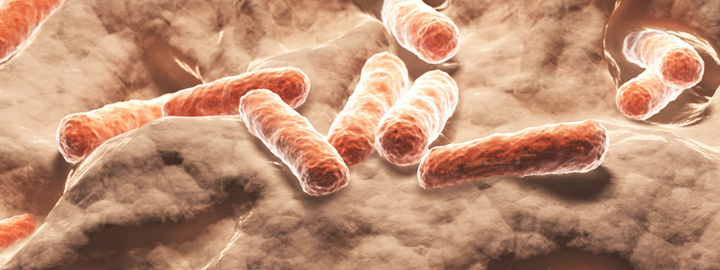
  • Bacteria are our planets greatest ally. There’s only a very small number of ‘bad guys’ that cause illness and disease (less than 3% of all known bacteria).
  • Mitochondria are found in almost every cell of your body and are responsible for producing our body’s energy and are a type of bacteria that evolved with humans
  • A healthy digestive tract has about 2kg’s of bacteria – approximately 10x more in numbers than your body has cells
  • The bacteria in your digestive tract play a big role in digesting the food you eat, and ‘excreting’ the amino acids that our bodies need to stay healthy
  • Bacteria in your stomach communicate with your brain using feedback loops to tell you what they want to eat – which you respond to by craving some types of food over other types of food
  • The healthier your diet, the more good bacteria you have in your digestive tract, the more beneficial vitamins, amino acids and gases are released, the stronger your immune system and the healthier you will be in general
  • A prevalence of good bacteria will out-compete disease and inflammation causing bacteria, preventing a wide range of immune diseases that are becoming increasingly common, such as insulin resistance, degenerative diseases, arthritis, allergies, etc.
  • A healthier diet also helps to prevent and fight cancer (which recently became the leading cause of death in the world), prevent tuberculosis, and can greatly assist people with AIDS to live a normal life.
  • Using disinfectants, bleaches and anti-biotics everywhere all the time also kills all the good bacteria that are actually needed to keep the bad bacteria at bay, and by killing all of them we create a sterile environment which is more suitable for bad bacteria to breed and is aiding them in becoming ‘super-bacteria’ with increasing resistance to our bacteria killers.

Continue reading