
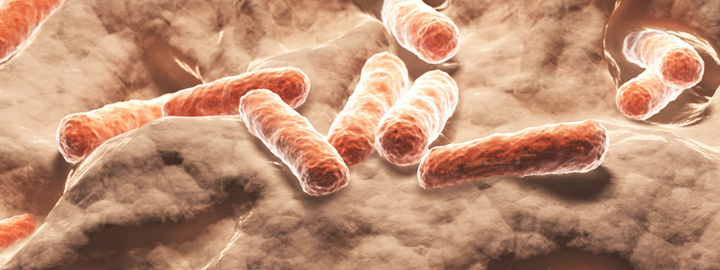
 Benefits of good gut bacteria
- Bacteria are our planets greatest ally. There’s only a very small number of ‘bad guys’ that cause illness and disease (less than 3% of all known bacteria).
- Mitochondria are found in almost every cell of your body and are responsible for producing our body’s energy and are a type of bacteria that evolved with humans
- A healthy digestive tract has about 2kg’s of bacteria – approximately 10x more in numbers than your body has cells
- The bacteria in your digestive tract play a big role in digesting the food you eat, and ‘excreting’ the amino acids that our bodies need to stay healthy
- Bacteria in your stomach communicate with your brain using feedback loops to tell you what they want to eat – which you respond to by craving some types of food over other types of food
- The healthier your diet, the more good bacteria you have in your digestive tract, the more beneficial vitamins, amino acids and gases are released, the stronger your immune system and the healthier you will be in general
- A prevalence of good bacteria will out-compete disease and inflammation causing bacteria, preventing a wide range of immune diseases that are becoming increasingly common, such as insulin resistance, degenerative diseases, arthritis, allergies, etc.
- A healthier diet also helps to prevent and fight cancer (which recently became the leading cause of death in the world), prevent tuberculosis, and can greatly assist people with AIDS to live a normal life.
- Using disinfectants, bleaches and anti-biotics everywhere all the time also kills all the good bacteria that are actually needed to keep the bad bacteria at bay, and by killing all of them we create a sterile environment which is more suitable for bad bacteria to breed and is aiding them in becoming ‘super-bacteria’ with increasing resistance to our bacteria killers.
Feed Your Flora
- The bacteria in your colon thrive on non-digestible fibre, also known as prebiotics.
- Feed your bacteria with two to four servings of garlic, whole grains, artichokes, bananas or honey so they’ll be happy campers.
- Some probiotic supplements come with prebiotics in them, but know that they’re usually listed as inulin.
- Try getting at least 38 grams of fibre a day from fruits, vegetables and legumes
- Eat more fermented foods. Homemade yoghurts and cheeses are good place to start.
How to choose a pro biotic
Label information should always include:
- Genus, species and strain.
- Number of organisms contained in a single dose and how often you should take it.
- Pick one that has at least five to seven strains, and five billion CFU (colony forming units).
- Storage information when relevant (some forms need to be refrigerated while others need a dark, cool space). Always keep probiotics away from moisture and heat.
- “Viable through end of shelf life” ensures the living microbes are in fact still living. Pass on the probiotic if the label says “viable at time of manufacture”, which means everything in it could be dead by the time it reaches your mouth.
- If you’re buying yogurt, look for “live and active cultures”.
- Encapsulated pills or other delayed-rupture technology ensure the bacteria survive the trip through your acidic stomach and actually reach your colon.
- If in liquid form, take with food.
- Certification by an independent third party.
Cure What Ails You
Probiotics are the new vitamins
For daily maintenance use a probiotic with multiple strains of bacteria because the gut contains 30 to 40 kinds of strains.
If you’re trying to treat a particular problem, make sure your probiotic contains the specific strains listed below that can help treat what you’re battling.
The most common probiotic bacteria come from two genus groups: Lactobacillus or Bifidobacterium, although there are many others.
Each group of bacteria has different species and each species have different strains (the “code” at the end).
Researchers are still studying which strains should be used for which health conditions, but a handful have been demonstrated to help with the following:
If you’re traveling abroad:
Taking Saccharomyces boulardii 2-3 weeks before your trip may help prevent traveller’s diarrhoea, which usually comes from ingesting food or water that’s been contaminated with bacteria.
If you’re lactose intolerant
Lactobacillus bulgaricus, Lactobacillus acidophilus and Streptococcus thermophilus produce the enzyme lactase that helps the gut digest and absorb lactose.
If you have irritable bowel syndrome (IBS) or gastrointestinal distress
Bifidobacterium infantis Lactobacillus plantarum or Bifidobacterium bifidum have been shown to help regulate bowel movements and relieve bloating, pain and gas. More research is needed to determine which other probiotics might help treat IBS.
If you have eczema
Lactobacillus rhamnosus HN001 and Lactobacillus fermentum VRI-003 PCC have been shown to help treat those itchy, scaly skin rashes — especially in children.
If you have a cold
Some research suggests that Bifidobacterium animalis lactis Bi-07 and Lactobacillus acidophilus NCFM can help reduce the duration and severity of the common cold and flu by enhancing the body’s production of antibodies.
If you have a vaginal infection
Lactobacillus acidophilus, Lactobacillus rhamnosus GR-1 and Lactobacillus reuteri RC-14 have been shown to help prevent and clear up bacterial vaginosis and urinary tract infections in some individuals. Researchers point to Lactobacillus reuteri RC-14 and Lactobacillus rhamnosus GR-1 as the most effective stains to protect against yeast infections as they’re especially adept at colonizing the vaginal environment and fighting off unwelcome bacteria and fungi.
If you have bad breath, gingivitis or periodontitis
A probiotic lozenge or mouthwash might be your best bet. Lactobacillus reuteri LR-1 or LR-2 promote oral health by binding to teeth and gums, preventing plaque formation in the mouth. Don’t get confused between prebiotics and probiotics: Prebiotics include a specific fibre called FOS which acts as a food source for the good bacteria that are already living in your intestine. Probiotics actually deliver friendly bacteria directly into your intestine thus boosting your overall probiotic status.